In a significant legal development, an anti-terrorism court in Bara has ordered the immediate release of a prominent protest leader from the Tirah valley, dismissing all terrorism-related charges against him. The decision brings an end to a contentious case that had sparked widespread demonstrations in the Khyber district.
Court Dismisses Charges, Orders Immediate Release
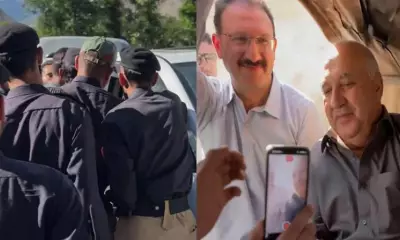
The court, presided over by Judge Asif Iqbal, heard the case against Maulana Mohammad Ismail, a key figure in the Tirah sit-in protest. After examining the evidence and arguments presented, the judge found the charges to be unsubstantiated. The court's order mandated the release of the accused from Central Prison Peshawar, where he had been detained.
The charges, which included serious allegations under anti-terrorism laws, were dismissed in their entirety. This judicial verdict underscores the necessity for concrete evidence in cases involving national security statutes. The defense successfully argued for the lack of a prima facie case against their client.

Background of the Tirah Protest and Arrest
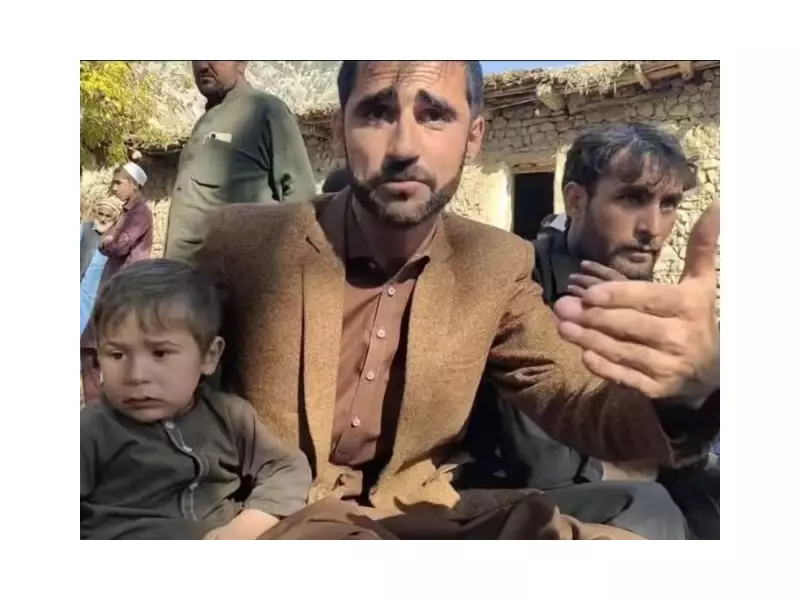
Maulana Mohammad Ismail was arrested in connection with a large-scale protest that took place in the Tirah valley of Khyber district. The sit-in was organized to demand the recovery of missing persons and to protest against alleged enforced disappearances in the region. His arrest under terrorism charges had further fueled public agitation and extended the duration of the protest.
The protest itself had become a focal point for local grievances, drawing participation from various segments of society. The arrest of the leader had transformed the demonstration into a dual-purpose movement, calling for both the recovery of missing persons and the release of their detained leader. The case had attracted considerable attention, highlighting tensions between security concerns and civil protest in the region.
Implications and Reactions
The court's decision to dismiss the charges is likely to be seen as a vindication by the protestors and their supporters. It raises important questions about the application of anti-terrorism laws in cases related to public demonstrations and political activism. Legal experts suggest this ruling may set a precedent for scrutinizing the evidence threshold required for pressing such serious charges.
Furthermore, the release is expected to impact the local political landscape in Khyber district. The resolution of this case through judicial means, rather than prolonged confrontation, is being viewed as a positive step. It demonstrates the role of the judiciary in adjudicating complex issues where civil liberties and state security concerns intersect. The focus may now shift back to the original demands of the Tirah protest regarding missing persons.
The swift action by the court following the completion of arguments has been noted, bringing a legal conclusion to a matter that had significant social and political ramifications. The outcome reinforces the principle of due process and the right to a fair trial, even in cases initially framed under stringent anti-terrorism legislation.