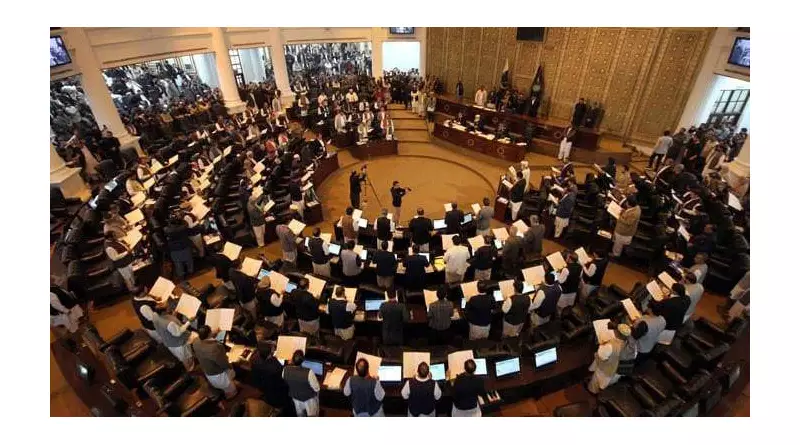
The Khyber Pakhtunkhwa Assembly navigated a challenging legislative year in 2025, achieving key milestones but frequently hampered by procedural delays and absenteeism. Official records reveal a pattern of sessions starting late and a recurring struggle to maintain the required quorum, casting a shadow over its operational efficiency.
Legislative Output and Key Debates
Despite the hurdles, the assembly demonstrated substantive activity. Over the course of four sessions, lawmakers presented a total of 31 bills. The house successfully passed 26 of these bills, while five were introduced but remained pending for further deliberation. Significant legislative work included proposed amendments to 20 existing laws.
Key bills that saw amendment proposals included the Local Government Amendment Bill, the Finance Bill, the KP Ease of Doing Business Bill, the KP Legal Aid Amendment Bill, and the Agricultural Income Tax Bill. Beyond legislation, the assembly approved 61 resolutions and held debates on points of objection on eight separate occasions.

Operational Challenges and Critical Approvals
The assembly's workflow was consistently disrupted by logistical and attendance problems. A telling statistic from the year was the postponement of 11 scheduled sittings solely due to a lack of quorum, highlighting persistent attendance issues among members.
Nevertheless, the house managed to fulfill one of its most critical constitutional duties: it approved the provincial budget for the fiscal year 2025-26. Furthermore, the assembly remained engaged in an extensive, over six-month-long detailed discussion on the law and order situation in the province, underscoring its focus on core security issues.
Notable Events and Analyst Perspectives
The year also witnessed a significant peace-building initiative, with the province hosting its first-ever peace jirga. This event marked an important step in traditional conflict resolution efforts.
Political analysts reviewing the year's performance acknowledged the assembly's notable legislative achievements. However, they unanimously pointed out that the frequent delays, chronic quorum issues, and excessively lengthy debates significantly adversely affected the institution's overall productivity and public perception. The consensus is that while outputs were delivered, the process was far from smooth.