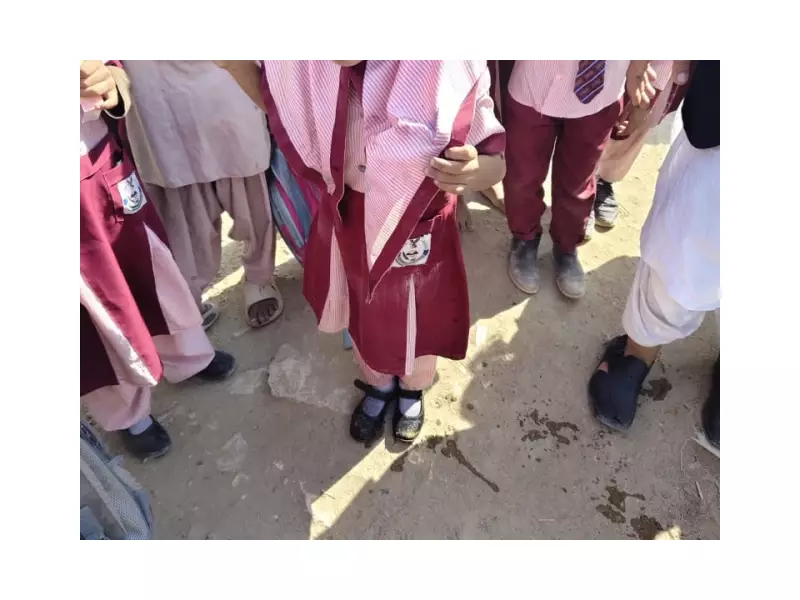
In a shocking repeat of negligence, another young child has fallen into an uncovered manhole in Karachi, marking the third such harrowing incident in a short span. The latest victim, a five-year-old boy, plunged into the dangerous cavity in Block 13-D of Gulshan-e-Iqbal on Wednesday, May 22, 2024, around 8:30 PM.
A Terrifying Pattern of Negligence
The incident occurred near the boy's residence on Street 30. According to details from the family and local police, the child was playing outside his home when he accidentally stepped onto the loose cover of a manhole. The cover gave way immediately, causing him to fall into the sewage pit below. The open manhole, a clear and present danger, was reportedly left uncovered by workers from the Karachi Water and Sewerage Board (KWSB) who had been conducting maintenance in the area.
This is not an isolated event. It follows two other nearly identical tragedies earlier in the same week. Just days before, on Monday, a four-year-old girl named Dua fell into an open manhole in the city's Gulistan-e-Jauhar area. Miraculously, she was rescued by locals after a frantic 20-minute effort. In another separate incident, a young boy also suffered a similar fate, underscoring a systemic failure in urban management.

Immediate Aftermath and Public Outrage
Following the fall in Gulshan-e-Iqbal, locals and the child's family rushed to the scene. They managed to pull the five-year-old out from the manhole. The boy was immediately transported to a nearby hospital for medical attention. While reports indicate he survived the ordeal, the physical and psychological trauma of such an event is immense.
The incident has sparked renewed and fierce anger among Karachi's citizens. Residents of the area have pointed fingers directly at the KWSB, accusing its staff of criminal negligence for leaving manholes open and unprotected without any warning signs or safety barriers. The sheer frequency of these incidents points to a deep-seated problem with infrastructure maintenance and contractor accountability in Pakistan's largest city.
A City's Infrastructure in Peril
These repeated accidents expose the dire state of Karachi's civic infrastructure and the apparent lack of oversight by responsible authorities. Open manholes, often filled with hazardous sewage, pose a lethal threat, especially to children. Each incident represents a failure of the most basic duty of a municipal body: to ensure public safety in communal spaces.
The pattern is alarmingly clear: maintenance work is undertaken, manhole covers are removed, and they are left unsecured for hours or even days. This practice, which seems to be standard operating procedure for some contractors, has now put multiple young lives at risk. It raises serious questions about the protocols followed by the KWSB and the enforcement of safety regulations for public works.
Civil society and urban activists are now demanding immediate and concrete action. Calls are growing for a comprehensive audit of all open manholes across the city, strict penalties for contractors who violate safety norms, and a permanent solution to secure these access points. The citizens of Karachi are tired of paying the price for institutional incompetence with the safety of their children.
Until the Karachi Metropolitan Corporation (KMC), KWSB, and other civic agencies treat this as the emergency it is, the streets of Karachi will remain a dangerous playground for its youngest residents. The third fall in a row must be the last.