A significant conflict is unfolding in the heart of Pakistan's capital, pitting urban development against the preservation of vital green spaces. The Capital Development Authority (CDA) has initiated construction activities within designated green belts of Islamabad, triggering widespread public anger and protests from local residents and environmental activists.
Public Fury Over Encroachment in F-6 and Beyond
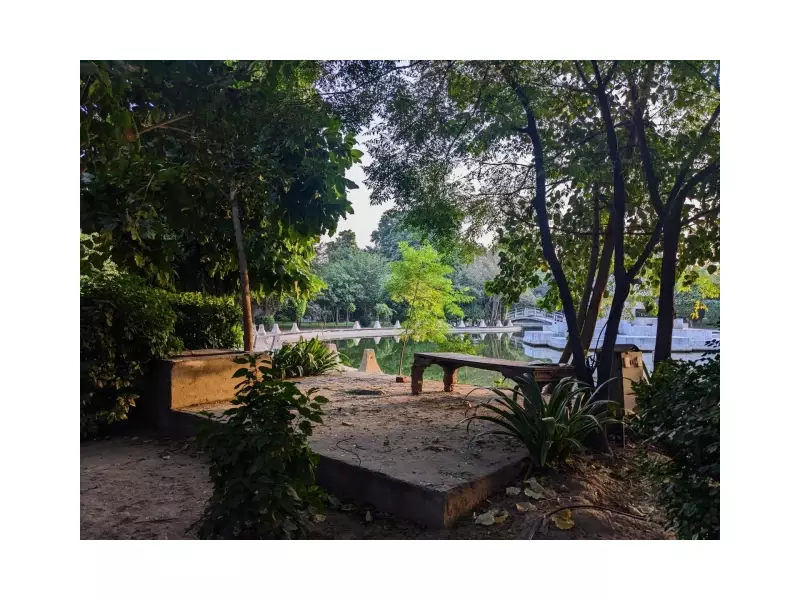
The immediate flashpoint is the construction of a new building for the National Transmission and Despatch Company (NTDC) within the green belt of Sector F-6. Residents were shocked to discover heavy machinery and construction materials placed in the cherished F-6 Park, a central community space. This move is seen as a direct violation of the city's original master plan, which strictly allocated these areas for parks, recreational activities, and environmental sustainability.
Protestors have taken to the site, arguing that the CDA is acting unilaterally without any public consultation or transparency. The CDA maintains it has obtained necessary approvals, including a No-Objection Certificate (NOC) from the Islamabad Metropolitan Corporation (IMC). However, citizens counter that the IMC's mandate does not override the fundamental city plan that protects these lungs of Islamabad from commercial and institutional encroachment.

A Pattern of Controversial Projects
The NTDC building is not an isolated incident. It appears to be part of a broader pattern that has residents deeply concerned. The CDA is simultaneously pursuing another contentious project: the construction of a dedicated Judicial Complex in Sector G-10. This complex is also planned on a green belt, specifically land originally reserved for a public park.
Local community members from sectors G-10 and G-11 have vocally opposed this project. They argue that sacrificing green space for concrete structures will exacerbate the city's environmental problems, including rising temperatures and air pollution. The lack of alternative green spaces for children and families in these densely populated sectors makes the preservation of existing ones even more critical.
Legal and Environmental Repercussions
The situation raises serious legal and environmental questions. Islamabad's master plan, crafted for a population of 800,000, is now straining under a populace that has swelled to over two million. While the need for infrastructure development is acknowledged, the method is being fiercely debated.
Environmentalists warn that eroding green belts sets a dangerous precedent. These areas are not merely aesthetic; they serve crucial ecological functions like groundwater recharge, heat island mitigation, and biodiversity preservation. Replacing them with buildings could lead to long-term climatic and livability issues for the capital.
The public demands a halt to all construction in green zones until a comprehensive, transparent review is conducted with citizen input. They call for the CDA to explore alternative, already developed sites for its projects rather than consuming the city's limited and irreplaceable green cover.
A Crossroads for Islamabad's Future
This clash represents a pivotal moment for Islamabad. The city, famous for its greenery and planned layout, now faces a defining choice between unchecked developmental expansion and sustainable urban management. The outcome of this conflict will likely influence future policy regarding urban planning and environmental conservation not just in Islamabad, but as a case study for other Pakistani cities.
The ball is now in the court of the authorities. Will they heed the public's call to protect Islamabad's green heritage, or will development pressures reshape the character of the city permanently? The ongoing protests and civic engagement suggest that residents are prepared for a prolonged struggle to safeguard their environment.