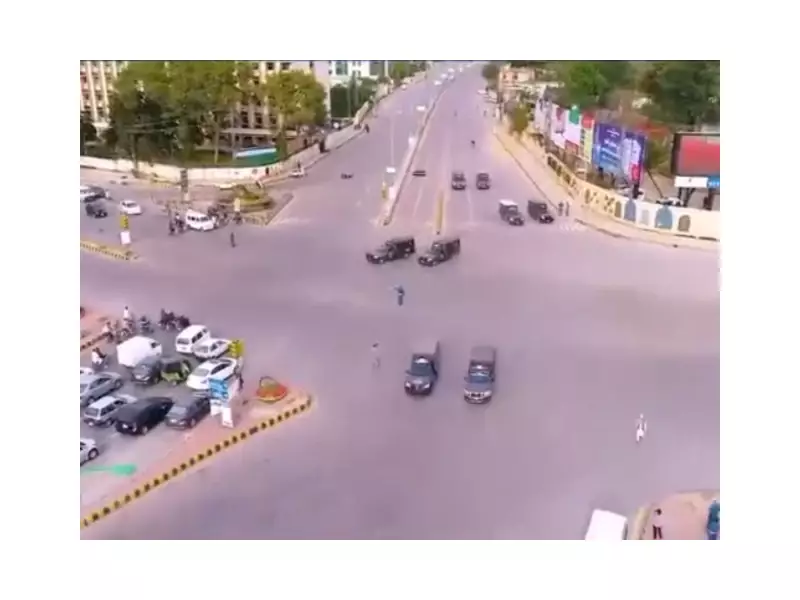
In a significant move to address long-standing traffic woes, the Rawalpindi Development Authority (RDA) has unveiled a comprehensive diversion plan for Kachehri Chowk, one of the city's most congested intersections.
Breaking the Gridlock
The newly announced plan aims to transform the daily commuting experience for thousands of Rawalpindi residents who regularly face hours-long delays at this critical junction. RDA officials confirmed that the diversion strategy has been carefully designed to optimize traffic flow while minimizing disruption to existing routes.
Key Features of the New Plan
The diversion blueprint includes several innovative solutions:

- Redesign of entry and exit points to reduce conflict areas
- Implementation of dedicated turning lanes for smoother transitions
- Improved signaling systems to better manage peak hour traffic
- Enhanced pedestrian pathways for safer crossing
Addressing Long-standing Concerns
Kachehri Chowk has been a notorious bottleneck in Rawalpindi's traffic network, with commuters frequently reporting delays of up to 30-45 minutes during rush hours. The intersection connects multiple important arteries of the city, making it a critical point in the urban transport ecosystem.
"This initiative represents our commitment to solving persistent urban challenges," stated an RDA spokesperson. "We've conducted extensive traffic studies and consulted with transportation experts to develop a solution that balances the needs of all road users."
Implementation Timeline
The authority has outlined a phased implementation approach to ensure minimal disruption during the transition period. While specific dates haven't been disclosed, officials indicated that preparatory work would commence shortly, with full implementation expected in the coming months.
Public Response and Expectations
Local residents and business owners have welcomed the announcement, expressing hope that the new plan will bring much-needed relief to the area. Many have highlighted how traffic congestion has negatively impacted business operations and daily commuting patterns in the vicinity.
The success of this diversion plan could serve as a model for addressing similar traffic challenges at other problematic intersections throughout Rawalpindi and potentially other Pakistani cities facing urban mobility issues.