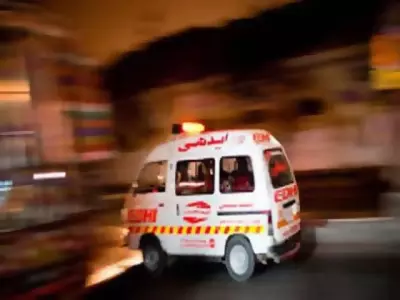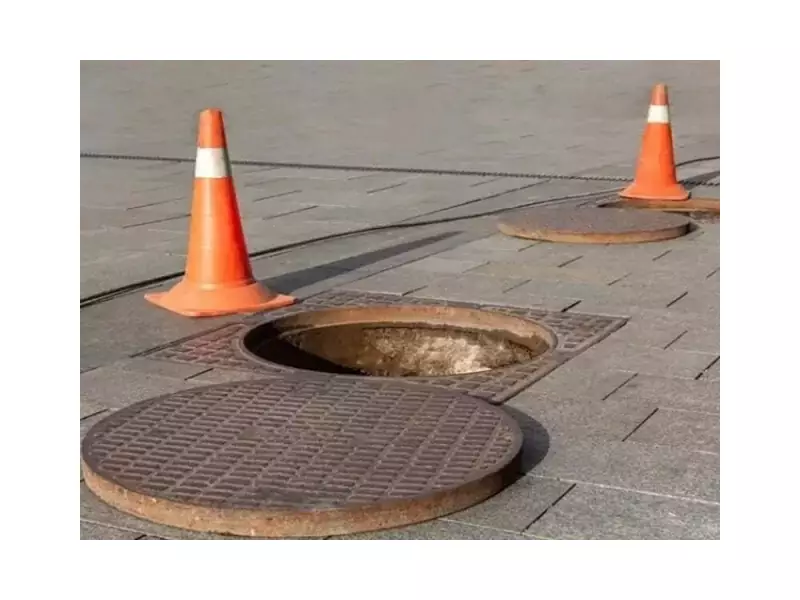
In a decisive move to prevent tragic accidents, the Faisalabad administration has rolled out a major new safety operation targeting uncovered and hazardous manholes across the city. This urgent action comes in the wake of fatal incidents reported in other major Pakistani cities like Lahore and Karachi.
City Divided into 13 Zones for Rapid Action
Commissioner Raja Jahangir Anwar has given his official approval to a plan that splits Faisalabad into thirteen distinct operational zones. The goal of this restructuring is to ensure swift service delivery and effective handling of public complaints related to water and sanitation issues.
Each zone will be managed by a dedicated team led by a director, who will be held fully accountable. The zone in-charges have been given clear and critical tasks: to identify and cover all open manholes, resolve sewerage blockages, and promptly address complaints from citizens. The administration has issued a stern warning that no negligence in these duties will be tolerated.

24/7 Helpline and Quick Response Force Activated
During a key meeting with water and sanitation experts, Commissioner Anwar and officials from the Water and Sanitation Agency (WASA) finalized the details of the 13-zone framework. Managing Director WASA Faisalabad, Saqib Raza, announced crucial resources for public safety.
The WASA helpline 1334 will continue to operate around the clock, serving as the primary point of contact for reporting dangerous manholes or sewerage problems. More importantly, a specialized Quick Response Force has been created. This force is tasked with the immediate covering of missing manhole covers and slabs as soon as reports come in.
This rapid-action team, supervised by the Assistant Director (CRC), will remain on high alert at the WASA Head Office, ready to respond to emergency reports even during night hours.
A Proactive Step for Public Safety
This coordinated initiative by the divisional and district administrations, together with WASA, marks a significant shift towards proactive urban safety management. By establishing clear zones of responsibility and a dedicated response force, Faisalabad aims to eliminate the deadly risks posed by neglected infrastructure. The message to officials is one of strict accountability, while citizens are encouraged to use the helpline to report hazards, making the city's streets safer for everyone.