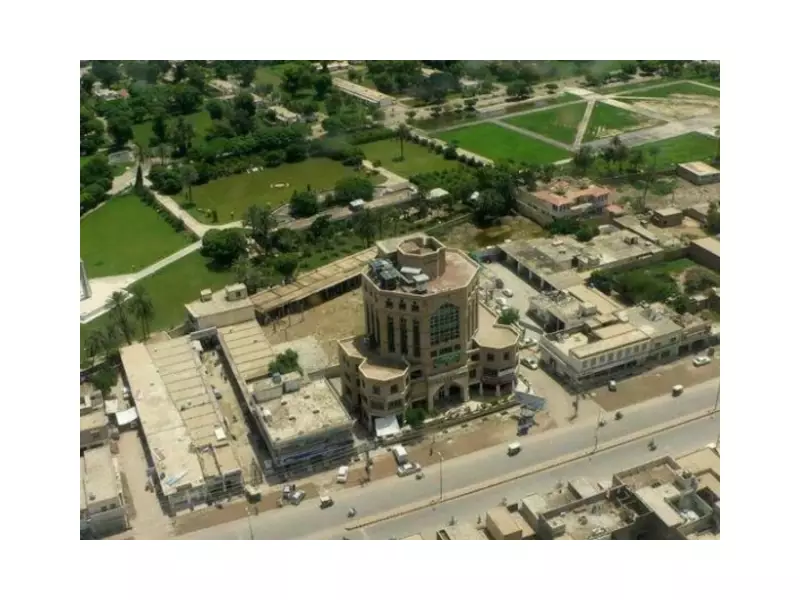
Residents of Dera Ismail Khan, a strategically vital district in Khyber Pakhtunkhwa, are raising their voices against what they describe as decades of systemic neglect. Despite its unique position at the junction of Khyber Pakhtunkhwa, Punjab, and Balochistan, the area grapples with crumbling infrastructure, inadequate healthcare, and a persistent sense of insecurity.
A Strategic Hub Left Behind
Geographically, Dera Ismail Khan serves as a crucial connective tissue for three of Pakistan's provinces. This location should, in theory, make it a hub for trade, communication, and development. However, local citizens and officials argue that this potential has been entirely squandered. Instead of reaping benefits, the district faces isolation due to poor road networks and a lack of modern facilities.
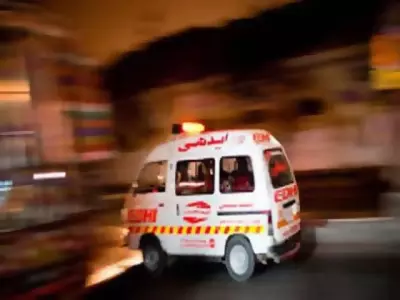
One of the most glaring issues is the state of the Indus Highway. This critical artery, which links the district to the rest of the country, is in a deplorable condition. Travelers and transporters face immense hardship, with the road being notoriously dangerous and prone to accidents. The poor infrastructure directly hampers economic activity and access to emergency services.

Cries for Basic Amenities and Security
The problems extend far beyond just roads. The healthcare system in Dera Ismail Khan is described as being in a state of crisis. The district headquarters hospital lacks essential equipment, specialist doctors, and even basic medicines. Patients with serious conditions are often forced to undertake arduous journeys to cities like Multan or Islamabad, a costly and sometimes life-threatening endeavor.
Security remains a paramount concern for the populace. The district has witnessed significant terrorist activity, including a devastating suicide bombing at the Daraban police station on December 12, 2023, which resulted in the deaths of over 30 people. Such incidents have created an atmosphere of fear and uncertainty. Locals feel exposed, citing the difficult terrain along the western borders that facilitates the movement of militants.
Political leaders from the area, including MPA Faisal Amin Khan, have been vocal in their criticism. They accuse both the federal and provincial governments of turning a blind eye to Dera Ismail Khan's plight. Promises of development funds and projects, they claim, rarely materialize into tangible improvements on the ground.
The Human Cost of Neglect
The cumulative impact of these failures is a deeply frustrated population. Students struggle with underfunded educational institutions, farmers face difficulties transporting their goods to market, and businesses are stifled by the lack of reliable utilities and connectivity. The sense of being forgotten is palpable among the residents, who see other regions progressing while they are left to cope with dilapidated infrastructure.
There is a strong and growing demand for the government to declare Dera Ismail Khan a "district in crisis" and to initiate a comprehensive development package. This package, locals insist, must address the core issues: reconstructing the Indus Highway, revamping the healthcare system with a fully-equipped teaching hospital, strengthening security apparatus, and investing in education and water supply projects.
The story of Dera Ismail Khan is a stark reminder that strategic importance on a map does not automatically translate into prosperity or security for its inhabitants. Without urgent and sincere intervention from authorities in Peshawar and Islamabad, this city at the crossroads risks being permanently left at a dead end.