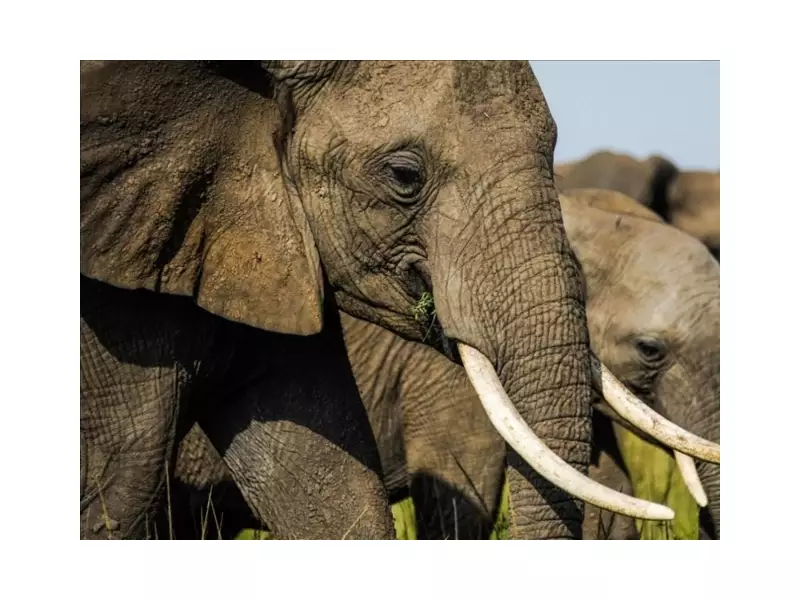
A tragic incident in the eastern Indian state of Jharkhand has resulted in the deaths of at least 20 people after a wild elephant went on a rampage. The devastating event has once again cast a harsh spotlight on the escalating conflict between humans and wildlife in the region.
The Fatal Rampage: A Timeline of Tragedy
The violent episode unfolded in the rural areas of Jharkhand, where a single male elephant, believed to have strayed from its herd, entered human settlements. According to local authorities and forest officials, the animal traversed several villages over a period of time, causing widespread panic and destruction. The elephant's path of devastation was not a momentary outburst but a sustained period of aggression that left communities in shock.
Initial reports indicate that the elephant attacked people in their homes and fields, catching many victims off guard. The death toll, which stands at 20 individuals, includes men, women, and the elderly who were unable to escape the massive animal's charge. Local police and forest department teams were mobilized to track the elephant and attempt to control the situation, but their efforts were hampered by the difficult terrain and the animal's unpredictable movements.

Response and Aftermath of the Elephant Attack
In the wake of the catastrophe, emergency services rushed to the affected villages. The injured were transported to nearby medical facilities, while authorities worked to account for all residents. The state government has announced compensation for the families of the deceased, a standard but somber procedure following such wildlife-related tragedies.
Forest officials have launched an operation to locate and tranquilize the rogue elephant. Preliminary theories suggest the elephant may have been displaced from its natural habitat due to deforestation or shrinking forest corridors, leading it into areas of human habitation in search of food and water. This incident is not isolated but part of a larger pattern of human-wildlife conflict in India, where expanding villages and farms increasingly encroach on traditional animal territories.
The Broader Issue: Human-Wildlife Conflict in Focus
This deadly rampage in Jharkhand underscores a critical and growing problem across South Asia. As human populations expand and forest lands are fragmented for development and agriculture, encounters between people and large animals like elephants become more frequent and often more deadly. Elephants, in particular, require large tracts of land to roam, and when their migratory paths are blocked, they are forced into conflict with humans.
Conservationists point out that such incidents are a symptom of a failing ecosystem management strategy. While elephants are protected under Indian law, the practical measures to create safe buffers and migratory corridors have often lagged behind. The result is a lose-lose situation: human lives are lost, livelihoods are destroyed, and elephants, often labeled as "rogue," are sometimes killed in retaliation or during capture operations.
The Jharkhand government is now under pressure to review its wildlife management policies. Calls for better early warning systems, strengthened physical barriers like trenches and solar fences around critical forest edges, and community awareness programs are likely to grow louder. The ultimate challenge remains balancing the needs of a growing human population with the imperative to conserve majestic but potentially dangerous wildlife.
The memory of the 20 lives lost in this single event will likely fuel debates on conservation, land use, and safety for years to come, serving as a grim reminder of the consequences when the boundary between the wild and the human world breaks down.