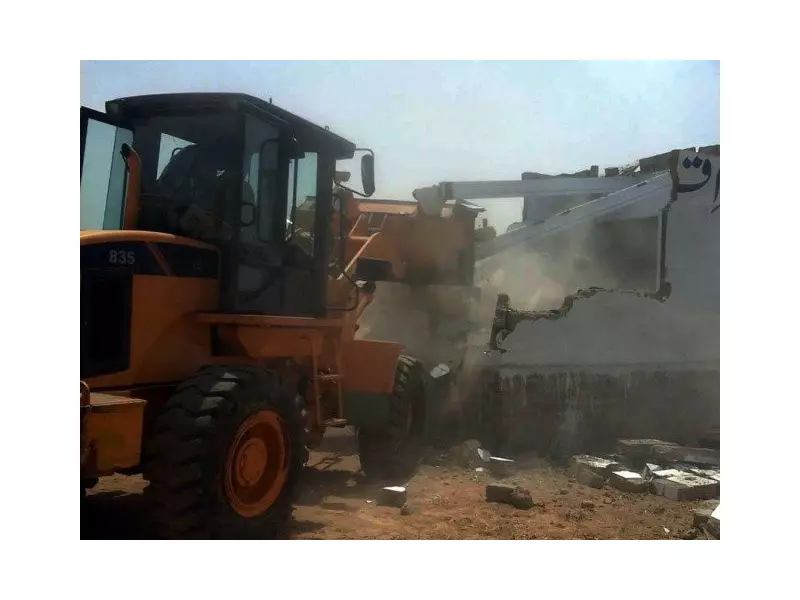
A century-old mosque in Rawalpindi has been demolished to make way for the controversial Kachehri Chowk project, sparking outrage among local residents and heritage conservationists. The historic Masjid Ghausia, which had stood for approximately 100 years near the District Kachehri, was razed despite community objections and concerns about preserving religious and historical sites.
Controversial Demolition Sparks Public Outcry
The demolition occurred on Tuesday morning when heavy machinery arrived at the site and began tearing down the structure. Local worshippers and community members expressed shock and dismay at the sudden destruction of their neighborhood mosque. The mosque had been a central gathering place for prayers and community events for generations, making its loss particularly painful for area residents.
According to eyewitness accounts, the demolition team worked quickly to dismantle the structure, leaving little time for community response or intervention. Many residents reported feeling helpless as they watched the historic building being reduced to rubble. The mosque's imam and regular worshippers had received minimal notice about the impending demolition, creating additional distress within the Muslim community.

Government Justifications and Community Response
Rawalpindi Development Authority (RDA) officials defended the demolition as necessary for the Kachehri Chowk remodeling project, which aims to improve traffic flow and modernize the area's infrastructure. Authorities claim the mosque was obstructing the planned development and that the demolition was conducted following proper procedures.
However, community members challenge this narrative, arguing that alternative solutions could have been explored to preserve the historic religious site. Many question why a structure with such significant historical and religious value couldn't be incorporated into the new development plans or why relocation wasn't considered as a viable option.
Local religious leaders have expressed particular concern about the precedent this demolition sets for other historical religious sites in Pakistan. They emphasize that mosques hold special status in Islamic tradition and their destruction should not be taken lightly, especially when alternative development solutions exist.
Broader Implications for Heritage Conservation
This incident has reignited debates about urban development versus heritage preservation in Pakistan's rapidly growing cities. The demolition highlights the ongoing tension between modernization efforts and cultural conservation in a country rich with historical landmarks.
Heritage conservation advocates point out that Pakistan has already lost numerous historical buildings to development projects, and the pattern continues despite growing awareness about preservation needs. The case of Masjid Ghausia demonstrates how even century-old religious structures remain vulnerable to demolition when they conflict with development priorities.
Urban planning experts suggest that Pakistan needs stronger legal protections for historical buildings and more transparent processes for development projects that affect cultural heritage sites. They recommend establishing clearer guidelines for assessing the historical significance of structures and requiring comprehensive impact assessments before any demolition permits are issued.
As Rawalpindi continues its urban transformation, the destruction of Masjid Ghausia serves as a sobering reminder of the cultural costs that can accompany development. The incident has prompted calls for more balanced approaches that respect both the need for modern infrastructure and the importance of preserving historical and religious landmarks for future generations.