Balochistan's Raisani Condemns Mines Act as Legalized Plunder
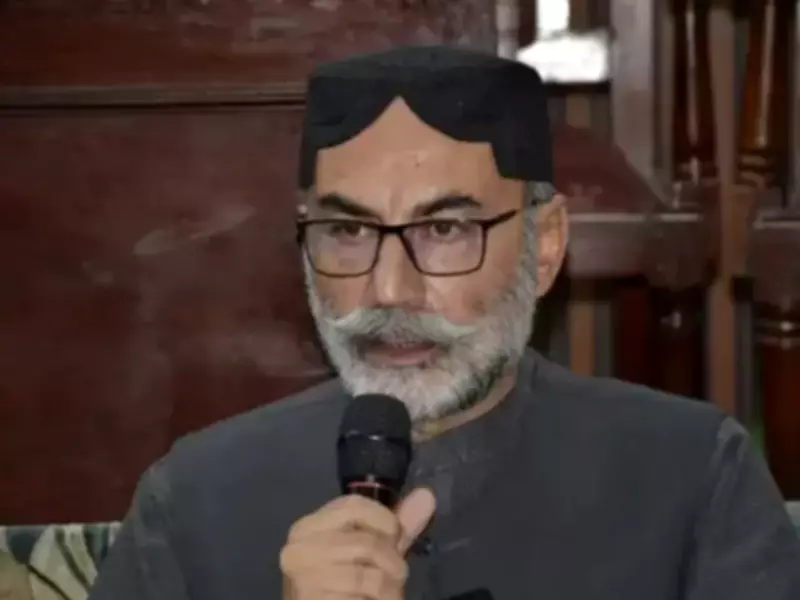
In a scathing critique, former Balochistan Chief Minister Nawab Aslam Raisani has launched a fierce attack on the current Mines Act, describing it as nothing short of legalized plunder that systematically deprives the province of its rich mineral resources. His remarks highlight deep-seated grievances over resource distribution and governance in the region.
Raisani's Strong Accusations Against the Legislation
Raisani, a prominent political figure in Balochistan, did not mince words when he labeled the Mines Act as a tool for exploitation. He argued that the act fails to ensure fair benefits for the local population, instead allowing external entities to profit disproportionately from the province's natural wealth. "This legislation is a blatant form of plunder, sanctioned by law," he stated, emphasizing the urgent need for legislative reforms to address these imbalances.
Impact on Balochistan's Economy and Communities
The criticism centers on how the Mines Act affects Balochistan's economic prospects and social fabric. Key points raised include:

- Resource Deprivation: The act allegedly enables the extraction of minerals without adequate compensation or development initiatives for local communities.
- Economic Disparities: Raisani pointed out that while the province contributes significantly to the national mineral output, it sees minimal returns in terms of infrastructure, jobs, or revenue.
- Governance Issues: He called for greater provincial autonomy in managing mineral resources to ensure that benefits are retained within Balochistan.
Calls for Reform and Provincial Empowerment
Raisani's statements underscore a broader demand for policy changes in Balochistan. He urged lawmakers and federal authorities to revisit the Mines Act, advocating for provisions that prioritize local interests and sustainable development. "We must empower our province to control its own destiny," he asserted, linking the issue to ongoing struggles for rights and recognition in the region.
This outcry reflects persistent tensions over resource management in Pakistan, particularly in resource-rich but underdeveloped areas like Balochistan. As debates continue, the call for a more equitable framework gains momentum, highlighting the need for inclusive policies that bridge economic gaps and foster regional stability.