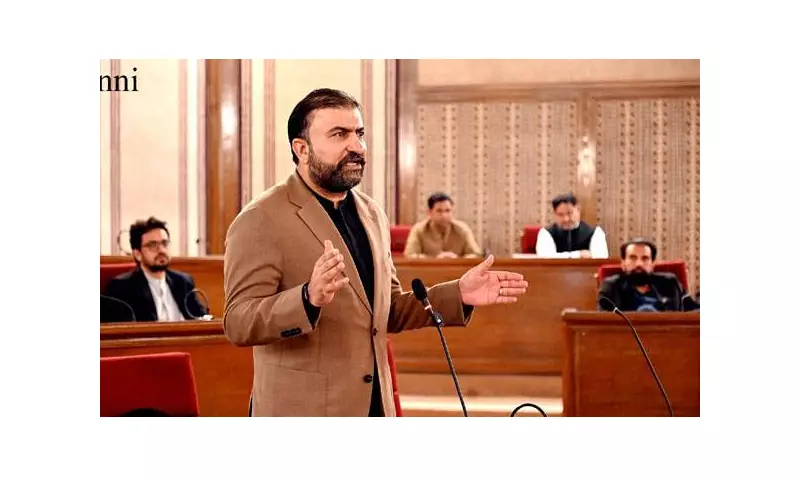
In a historic move that marks a significant milestone for children's rights, the Balochistan Assembly has unanimously passed groundbreaking legislation aimed at combating the pervasive issue of child marriage across the province. The landmark bill, which received overwhelming support from lawmakers, establishes clear legal boundaries to protect minors from early marriage.
Legislative Breakthrough for Children's Rights
The Balochistan Child Marriage Restraint Bill represents one of the most progressive steps taken by any provincial assembly in Pakistan to address this critical social issue. The legislation sets 18 years as the minimum legal age for marriage, bringing Balochistan in line with international standards for child protection.
Assembly members from across political spectrums demonstrated rare unity in pushing through this crucial legislation. The bill's passage comes after extensive deliberations and consultations with child rights organizations, legal experts, and social welfare groups who have long advocated for stronger protections against child marriage.

Key Provisions and Legal Framework
The newly passed legislation contains several important provisions designed to effectively combat child marriage practices. Strict penalties have been established for those involved in arranging or conducting marriages involving minors, including parents, guardians, and nikah registrars who participate in such ceremonies.
Law enforcement authorities have been granted enhanced powers to prevent child marriages from taking place. The bill also mandates compulsory registration of all marriages to ensure proper documentation and verification of ages, creating an additional layer of protection against underage unions.
Educational institutions and local government bodies will play a crucial role in implementing the new law, with responsibilities to raise awareness about the legal requirements and consequences of child marriage within their communities.
Social Impact and Future Implications
This legislative achievement is expected to have far-reaching consequences for the social fabric of Balochistan. Child rights activists have hailed the move as a transformative step toward protecting children's health, education, and overall development.
The law addresses multiple concerns associated with child marriage, including the negative impact on girls' education, increased health risks for young mothers, and the cycle of poverty often perpetuated by early marriages. By establishing clear legal standards, the legislation provides a foundation for changing deep-rooted social practices.
Implementation mechanisms outlined in the bill include monitoring committees at district levels and collaboration with civil society organizations to ensure the law's effective enforcement across Balochistan's diverse regions.
This progressive legislation positions Balochistan as a leader in child protection reforms within Pakistan, potentially setting a precedent for other provinces to strengthen their own legal frameworks against child marriage.