Khyber Pakhtunkhwa Chief Minister Sohail Afridi has firmly dismissed allegations that his provincial government is negligent on security matters. Instead, he has pointed the finger at the federal government's policies, urging a change in approach rather than blaming the provinces for the country's deteriorating law and order situation.
A Public Rebuttal in Peshawar
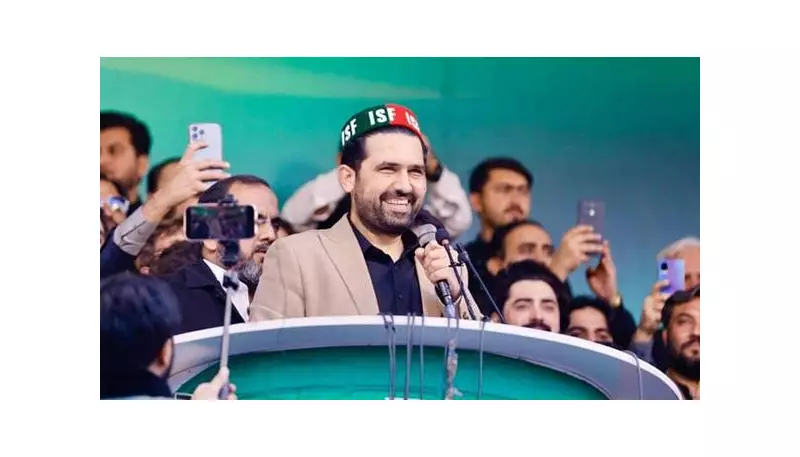
Addressing a public gathering in Peshawar, the chief executive of the province delivered a strong response to the federal government's accusations. "The federal government says KP is not serious about security matters… it is not our fault, you should change your policies," stated CM Afridi. He emphasized that his administration does not engage in criticism without purpose but also proposes solutions, pledging full cooperation on all issues pertaining to Pakistan's national interest.
Governance and Accountability Contrasts
Chief Minister Afridi underscored the strength of governance in Khyber Pakhtunkhwa, highlighting that the public has elected his party for a third consecutive term. He drew a sharp contrast with the federal level, suggesting that proper governance was absent where "the IMF [International Monetary Fund] presented its charge sheet." He made a pointed remark about national finances, stating, "Rs5,300 billion was not brought from anyone’s personal pocket; it is taxpayers’ money." Afridi accused the elite mafia and the country's controllers of stealing these funds and vowed to prevent further pilferage.

Rising Security Challenges and Political Support
The chief minister's statements come against a backdrop of significantly increased terrorist activity in Pakistan, especially in the border provinces of KP and Balochistan, following the Afghan Taliban's rise to power. A police report reveals that KP alone witnessed over 600 terror incidents in the first eight months of 2025, resulting in the martyrdom of at least 79 police personnel and 138 civilians.
During the same event, PTI leader Asad Qaiser addressed constitutional and border issues. He argued that the 26th and 27th constitutional amendments have undermined judicial independence and declared that the nation would resist such measures. Qaiser also linked challenges related to Afghanistan to failures in federal border policy, calling on the government to prioritize peace.
The combined narrative from the KP leadership presents a unified front, deflecting blame for security lapses towards the center while positioning the province as both a victim of federal policy failure and a model of consistent democratic governance.