Past Perspective: A Historical Analysis of Pakistan's Political Evolution
Pakistan's political landscape has undergone significant transformations since its independence in 1947, shaping the nation's identity and governance structures. This historical perspective delves into the key phases of political development, highlighting pivotal events and leadership changes that have defined the country's trajectory.
Early Years and Constitutional Frameworks
The formative years following independence were marked by efforts to establish a stable constitutional framework. The Government of India Act 1935 served as an interim constitution until Pakistan adopted its first constitution in 1956. This period saw the emergence of political parties and the initial challenges of nation-building, including the integration of diverse regions and populations.
Leadership during this era, such as Muhammad Ali Jinnah and Liaquat Ali Khan, played crucial roles in setting the foundations of the state. However, political instability and economic hurdles often overshadowed these early achievements, leading to periods of martial law and military interventions.

Military Regimes and Democratic Transitions
Pakistan's history is punctuated by several military regimes, each leaving a distinct imprint on the political system. The eras under leaders like Ayub Khan, Zia-ul-Haq, and Pervez Musharraf introduced policies that altered the balance of power between civilian and military institutions. These periods were characterized by:
- Centralized governance and reduced parliamentary oversight.
- Shifts in foreign policy alignments, particularly during the Cold War.
- Societal changes, including the Islamization of laws under Zia-ul-Haq.
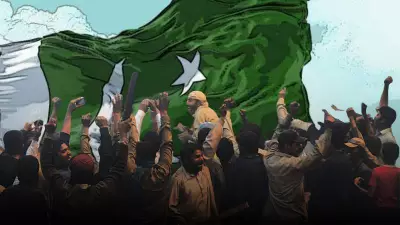
Despite these interruptions, democratic transitions have periodically resurged, with elections in 1970, 1988, and 2008 marking returns to civilian rule. Each transition brought hopes for stability, though often accompanied by challenges such as corruption allegations and political fragmentation.
Modern Governance and Future Outlook
In recent decades, Pakistan has experienced a mix of democratic consolidation and ongoing political turbulence. The 21st century has seen the rise of new political movements and increased media scrutiny, influencing public discourse and policy-making. Key developments include:
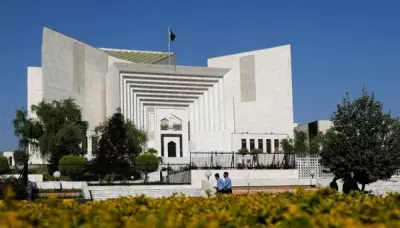
- The strengthening of judicial independence through landmark court decisions.
- Economic reforms aimed at addressing inflation and fostering growth.
- Enhanced diplomatic engagements with global powers and neighboring countries.
Looking ahead, the historical perspective underscores the importance of learning from past mistakes to build a more resilient political system. Issues such as constitutional adherence, economic equity, and social cohesion remain critical for Pakistan's future stability and prosperity.
This analysis reveals that Pakistan's political evolution is a complex tapestry of triumphs and setbacks, shaped by both internal dynamics and external influences. By understanding this past perspective, stakeholders can better navigate the challenges and opportunities that lie ahead in the nation's governance journey.