As we stand in the early days of 2026, it is a pivotal moment to cast our gaze backward, examining the path Pakistan has traversed. This retrospective is not merely an exercise in nostalgia but a crucial tool for understanding our present and strategically navigating our future. The year behind us was a tapestry woven with threads of significant political decisions, economic maneuvers, and profound social shifts that have collectively shaped the nation's current standing.
A Year of Political Crossroads and Diplomatic Engagements
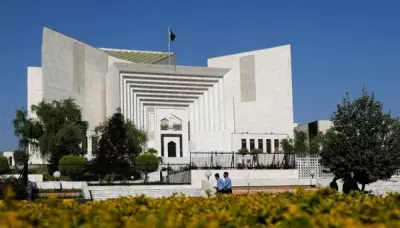
The political landscape of Pakistan in the preceding year was marked by intense activity and critical junctures. The National Assembly and Senate witnessed rigorous debates on legislation aimed at addressing both longstanding and emerging national issues. Key parliamentary sessions focused on policies concerning foreign relations, internal security, and constitutional matters, setting the tone for the country's governance.
On the diplomatic front, Pakistan continued to navigate its complex position on the global stage. Foreign policy initiatives were carefully calibrated to strengthen regional ties and engage with major international powers. These efforts were crucial for trade, security cooperation, and managing geopolitical dynamics that directly impact the nation's stability and economic prospects.

Economic Resilience Amidst Global Headwinds
The economic narrative of the year was one of cautious resilience. Pakistan's economy faced the dual challenges of managing inflation and stimulating sustainable growth. Government policies in the banking, energy, and manufacturing sectors were pivotal in this regard. Decisions from the Cabinet and the State Bank regarding currency exchange rates and investment opportunities sought to attract foreign capital while stabilizing the local market.
The stock market experienced its characteristic volatility, reflecting both domestic policy impacts and global economic trends. Meanwhile, sectors like textiles, agriculture, and the burgeoning startup ecosystem showed pockets of robust activity, indicating potential avenues for future economic diversification and job creation.
Social Fabric and Regional Dynamics
Beyond politics and economics, the social dimension of Pakistan's journey remained central. Developments in health, education, and culture continued to evolve. Public discourse increasingly centered on education reforms, healthcare accessibility, and technological integration into daily life. Provincial governments, from Punjab and Sindh to KPK and Balochistan, implemented localized strategies to address the unique needs of their populations, highlighting the diverse yet unified nature of the federation.
Major cities like Karachi, Lahore, Islamabad, and Peshawar served as hubs of commercial, political, and cultural activity, each contributing distinctively to the national story. The focus on infrastructure, urban planning, and public services in these metropolitan centers underscored the ongoing struggle and progress in managing rapid urbanization.
Looking Forward: The Road Ahead for Pakistan
Reflecting on the past year provides clear lessons for the future. The challenges are manifold: ensuring political stability, achieving economic self-sufficiency, addressing social inequities, and leveraging technology for progress. The perspective gained from 2025 must inform a cohesive national strategy moving forward.
The role of institutions, the vibrancy of civil society, and the spirit of the Pakistani people will be the determining factors in overcoming obstacles. As the nation moves further into 2026, the choices made today—in policy corridors, marketplaces, and communities—will define the legacy of this era. The past perspective is not an endpoint but a compass, guiding Pakistan toward a future of greater prosperity, stability, and unity.