The nation of Pakistan observed a solemn day of remembrance on Saturday, marking the 17th death anniversary of its former Prime Minister, Shaheed Mohtarma Benazir Bhutto. The day was dedicated to honoring the life, political struggle, and ultimate sacrifice of the first woman to lead a Muslim-majority nation.
Nationwide Tributes and Solemn Ceremonies
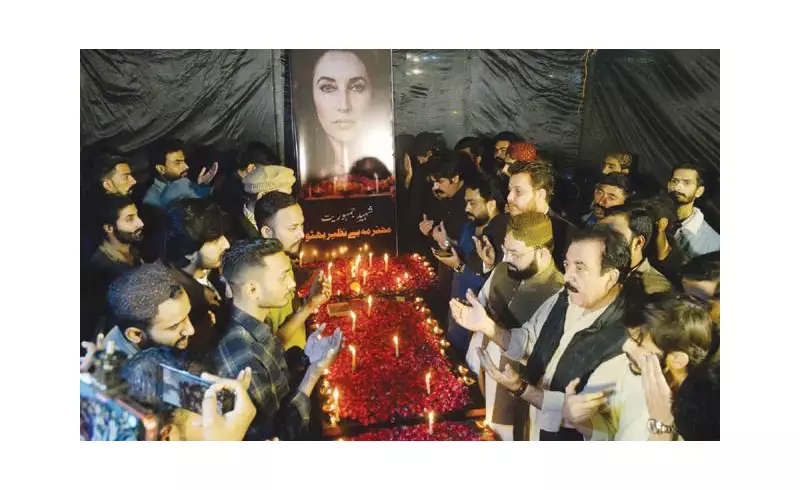
The central ceremony was held at her final resting place in Garhi Khuda Bakhsh, Larkana district. A large gathering of Pakistan Peoples Party (PPP) workers, supporters, and leaders converged at the mausoleum to offer fateha and pay their respects. The atmosphere was one of profound grief mixed with unwavering political resolve.
PPP Chairman Bilawal Bhutto Zardari and former President Asif Ali Zardari led the main commemorative event. They laid floral wreaths on the grave of the slain leader and offered special prayers for the elevation of her soul. Quran Khwani and Fateha Khwani ceremonies were organized across the country, particularly at the Bhutto family mausoleum.

Similar events, prayer gatherings, and seminars were held in all major cities and at PPP offices nationwide. Party workers and citizens lit candles and held vigils to symbolize the "light of democracy" that Benazir Bhutto represented, which they vow will never be extinguished.
Political Legacy and Enduring Messages
In his message on the occasion, Chairman Bilawal Bhutto Zardari stated that the mission of Shaheed Benazir Bhutto continues to guide the party. He emphasized that the PPP remains committed to her vision of a democratic, progressive, and egalitarian Pakistan. He framed her struggle as one against dictatorship, extremism, and for the rights of the common people.
Former President Asif Ali Zardari, in his message, praised Benazir Bhutto's courageous leadership and her unwavering fight for the constitution and parliamentary democracy. He asserted that the best tribute to her is to steadfastly continue the democratic journey for which she gave her life.
Other senior party leaders, including Syed Nayyer Hussain Bukhari and Sherry Rehman, issued statements highlighting different facets of her legacy. They spoke of her commitment to women's empowerment, social justice, and federalism. They reiterated that her assassination on December 27, 2007, following a political rally in Rawalpindi's Liaquat Bagh, was a pivotal moment in the nation's history.
A Legacy That Continues to Inspire
The observance of this anniversary transcends partisan politics, marking a day of national reflection on political violence and the cost of democracy. For her supporters, Benazir Bhutto remains "Shaheed-e-Jamhuriat" (Martyr of Democracy), a symbol of resistance against tyranny.
Her life story—from being the daughter of another executed former Prime Minister, Zulfikar Ali Bhutto, to leading the PPP, facing exile, and returning to Pakistan—is deeply woven into the country's political fabric. The annual observance ensures that new generations are reminded of her slogan of "Bread, Clothing, and Shelter" (Roti, Kapra, Makan) and her advocacy for the marginalized.
As Pakistan navigates its contemporary challenges, the lessons from Benazir Bhutto's leadership—her emphasis on dialogue, civilian supremacy, and empowerment of the poor—are frequently invoked. The 17th anniversary serves as a somber reminder of the fragility of democratic processes and the enduring impact of a leader who reshaped the role of women in Pakistani politics.