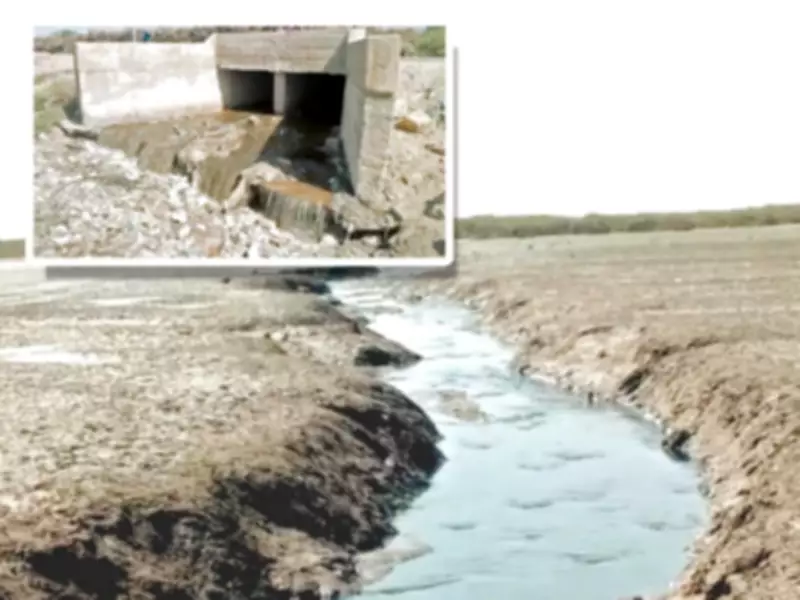
Journalists Barred from Covering Toxic Discharge into Coastal Lakes
In a concerning development for environmental reporting and press freedom in Pakistan, journalists have been systematically barred from covering the discharge of toxic industrial waste into coastal lakes. This incident highlights significant challenges in transparency and accountability regarding environmental hazards that threaten local ecosystems and public health.
Details of the Incident
According to reports, authorities have prevented journalists from accessing sites where toxic waste is being dumped into coastal lakes. The waste, originating from industrial facilities, contains hazardous chemicals that pose severe risks to marine life and surrounding communities. Efforts by media personnel to document and report on this environmental crisis have been met with obstruction, including denial of entry and intimidation tactics.
Environmental and Health Implications
The toxic discharge into coastal lakes is a critical issue with far-reaching consequences. These lakes are vital ecosystems that support biodiversity and provide resources for fishing and agriculture. The introduction of pollutants can lead to water contamination, affecting not only aquatic species but also human populations reliant on these water bodies for drinking and irrigation. Long-term exposure to such toxins may result in health problems, including respiratory issues and cancer.

Press Freedom Concerns
This obstruction of journalists raises serious questions about press freedom in Pakistan. By blocking access to information on environmental degradation, authorities undermine the media's role in holding institutions accountable and informing the public. Such actions could set a dangerous precedent, discouraging investigative reporting on other critical issues like pollution and corporate misconduct.
Government and Corporate Accountability
The incident calls for greater scrutiny of both government agencies and industrial entities involved. There is a pressing need for stricter enforcement of environmental regulations to prevent illegal dumping and ensure that violators are held responsible. Public awareness and advocacy are essential to pressure stakeholders into adopting sustainable practices and protecting natural resources.
Conclusion
The barring of journalists from covering toxic waste discharge into coastal lakes is a stark reminder of the ongoing struggles for environmental justice and media freedom in Pakistan. It underscores the importance of supporting independent journalism and implementing robust policies to safeguard ecosystems and public health from industrial harm.