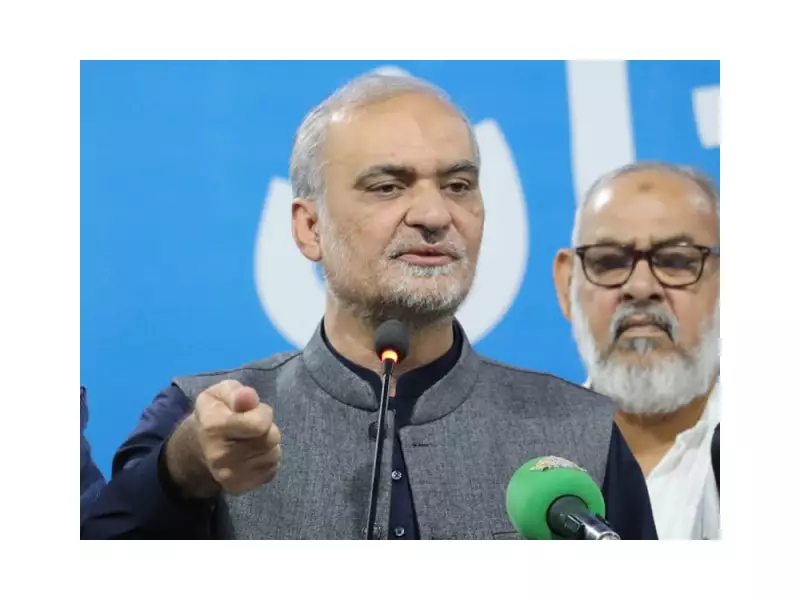
In a significant political development, the Jamaat-e-Islami (JI) party has firmly rejected any potential role for Pakistan in former United States President Donald Trump's proposed 'Board of Peace' initiative. This stance highlights growing concerns within the country regarding sovereignty and the direction of foreign policy under external influences.
JI's Strong Opposition to Foreign Involvement
The Jamaat-e-Islami, a prominent religious and political party in Pakistan, has issued a clear statement opposing Pakistan's participation in Trump's 'Board of Peace'. The party argues that such involvement could compromise Pakistan's independent foreign policy and national interests. According to JI leaders, the initiative appears to be a tool for advancing US geopolitical goals rather than genuine peace efforts.
Concerns Over Sovereignty and Autonomy
JI officials have expressed deep reservations about the implications of joining this board. They emphasize that Pakistan must maintain its autonomy in international affairs and avoid being drawn into conflicts or agendas that do not align with its strategic priorities. The party warns that participation could lead to undue pressure from powerful nations, potentially undermining Pakistan's stance on key regional issues.

Background on Trump's 'Board of Peace' Proposal
Former President Donald Trump has floated the idea of a 'Board of Peace' as part of his post-presidency initiatives, aiming to address global conflicts through a collaborative platform. However, details about the board's structure, objectives, and membership remain vague, fueling skepticism among critics like the Jamaat-e-Islami.
Political Reactions and Broader Implications
The rejection by Jamaat-e-Islami is likely to resonate with other political groups and the public, especially those wary of foreign intervention. This move could influence the government's decision-making process, as it balances diplomatic engagements with domestic political pressures. Analysts suggest that the issue may spark broader debates on Pakistan's role in international peace efforts and its relations with major powers like the United States.
In summary, Jamaat-e-Islami's firm rejection of Pakistan's involvement in Trump's 'Board of Peace' underscores a cautious approach to foreign policy, prioritizing national sovereignty over external initiatives. This development is set to shape political discourse in the coming weeks, as stakeholders assess the potential risks and benefits of such international engagements.