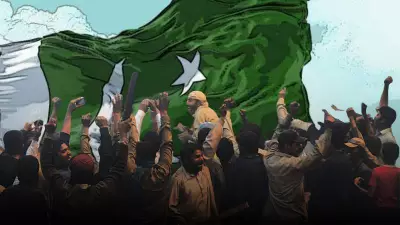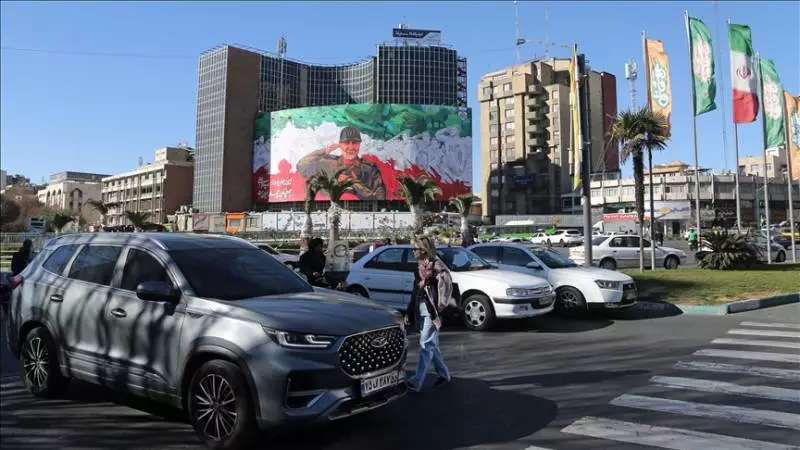
For the third consecutive week, the streets of Iran have become a stage for widespread public dissent, as anti-government protests show no signs of abating. Sparked by the tragic death of a young woman in police custody, the demonstrations have evolved into a broader challenge against the nation's ruling establishment.
The Spark That Ignited a Nationwide Movement
The unrest traces its origins to the death of 22-year-old Mahsa Amini on September 16, 2022. Amini was detained by the country's morality police for allegedly violating strict dress codes. Her death, which activists and family members attribute to police brutality, served as a catalyst for long-simmering public anger over social restrictions and economic hardships.
What began as vigils and localized outrage quickly transformed into a nationwide movement. Protesters, with many women and young people at the forefront, have taken to the streets in cities across Iran, from the capital Tehran to provincial centers. A key symbol of the protests has been the public burning of hijabs, a direct and powerful challenge to the state's enforcement of Islamic dress codes.

Government Crackdown and Escalating Tensions
The Iranian government has responded to the demonstrations with a firm and forceful hand. Authorities have deployed security forces extensively, leading to violent clashes in numerous locations. Reports from human rights groups indicate a significant number of casualties, including both protesters and members of the security forces.
In an attempt to quell the flow of information and organize resistance, the state has imposed severe restrictions on internet access and popular social media platforms. Despite these measures, videos and accounts of the protests continue to reach the international community, painting a picture of a nation in turmoil. The government maintains that the protests are fueled by foreign adversaries and has vowed to restore order.
International Community Watches Closely
The prolonged unrest in Iran has drawn sharp attention from the global stage. Several Western nations, including the United States and members of the European Union, have condemned the Iranian government's response to the protests. Calls for investigations into human rights abuses and sanctions against specific officials have grown louder.
Regional neighbors and global powers are monitoring the situation with keen interest, assessing its potential impact on Middle Eastern stability and international relations. The protests represent one of the most significant and sustained domestic challenges to Iran's leadership in recent years, raising questions about the country's political future.
A Nation at a Crossroads
As the protests enter their third week, Iran stands at a critical juncture. The demonstrations have revealed deep-seated frustrations among a large segment of the population, particularly the youth, who are demanding greater social freedoms and economic opportunities. The government's ability to address these grievances while maintaining control remains the central question.
The coming days will be crucial in determining the trajectory of this movement. Whether the protests will lead to substantive policy changes, result in a more severe crackdown, or eventually subside is uncertain. What is clear, however, is that the events of the past three weeks have already left an indelible mark on Iran's social and political landscape, signaling a powerful demand for change from within.