A powerful explosion struck a mosque in the Syrian city of Homs on Friday, resulting in multiple casualties during weekly prayers. The attack targeted a place of worship in a predominantly Alawite neighborhood, marking a grim escalation in sectarian violence within the war-torn nation.
Details of the Deadly Attack
According to Syria's state media agency SANA, the blast occurred inside the Imam Ali Bin Abi Talib Mosque located in the Wadi al-Dahab area of Homs. Preliminary reports from a health ministry official confirmed that the explosion killed at least eight people and wounded 18 others. The Syrian interior ministry labeled the incident a "terrorist explosion" that took place as worshippers gathered for Friday prayers.
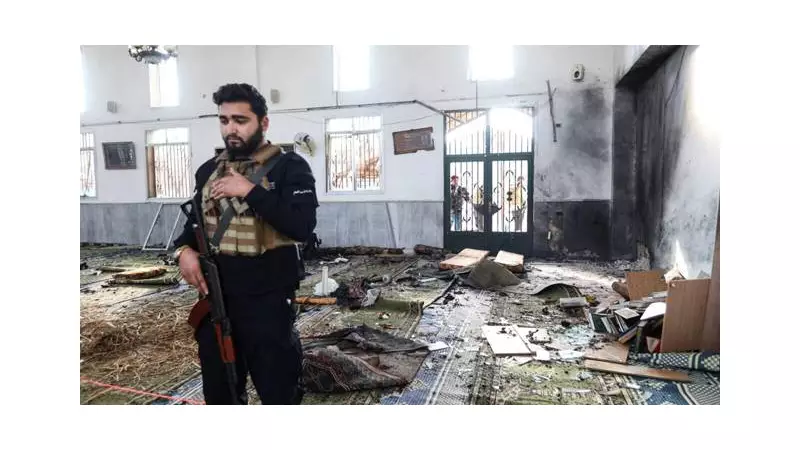
Authorities swiftly imposed a security cordon around the mosque to facilitate investigation and evidence collection. A security source told SANA that initial findings suggest explosive devices were planted inside the mosque prior to the attack. Photographs released by the agency showed significant damage, including a hole blown in a wall, with black smoke staining the interior and prayer carpets and books scattered in disarray.

A Pattern of Sectarian Violence
This tragedy represents the second major attack on a place of worship since Islamist authorities assumed control of Syria a year ago. It follows a suicide bombing in a Damascus church in June that claimed 25 lives. The city of Homs, which witnessed heavy sectarian fighting during the country's civil war, is home to a Sunni Muslim majority but contains several Alawite enclaves.
The Alawite community, an offshoot of Shiite Islam to which ousted ruler Bashar al-Assad belongs, has faced increased threats since his fall in 2024. The Syrian Observatory for Human Rights and local residents have reported a series of kidnappings and killings targeting the minority in Homs province. Late last month, thousands protested along the Alawite coast against fresh attacks in Homs and other regions.
This incident is part of a broader, troubling pattern of sectarian strife:
- In March, coastal areas saw a massacre of Alawite civilians, with a national commission reporting at least 1,426 deaths.
- In July, sectarian clashes in the Druze-majority Sweida province killed over 2,000 people.
- The June church bombing in Damascus was claimed by a Sunni extremist group, though authorities blamed the Islamic State.
Challenges for National Unity
Despite verbal assurances from Damascus to protect all communities, minority groups remain deeply fearful of their future under the new Islamist government. Syrian President Ahmed al-Sharaa, in a December speech marking one year since Assad's fall, stressed the critical need for unified efforts to build a strong Syria.
However, extending security nationwide and maintaining national unity present a formidable internal challenge for Sharaa's administration. While the government has made strides in rebuilding Syria's international stature, persistent internal violence undermines stability. The recurring attacks on minority communities highlight the fragile and volatile security situation that continues to plague the country, casting a long shadow over hopes for a peaceful and unified future.