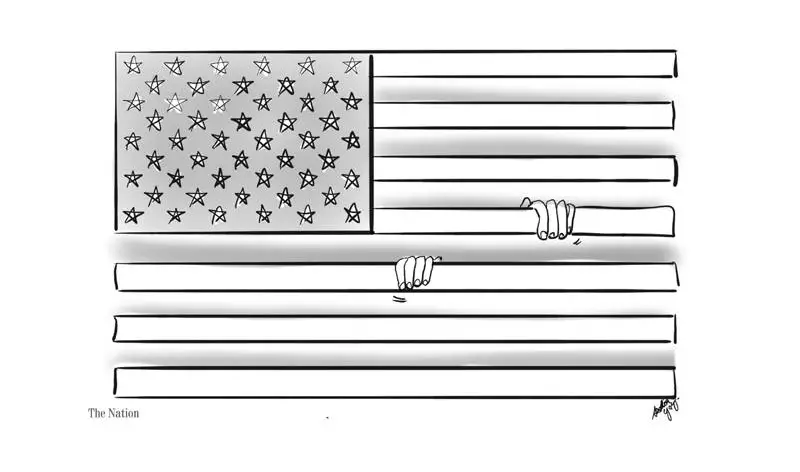
A recent publication in a prominent Pakistani daily has sparked significant discussion and debate across media circles and among the public. The incident involves a cartoon that appeared in The Nation newspaper, leading to varied reactions concerning its content and implications.
The Core of the Controversy
The focal point of this situation is a specific cartoon featured in the January 12, 2026 edition of The Nation. While the exact visual details are subject to interpretation, the imagery and symbolism employed have been perceived by several observers and readers as provocative or carrying a pointed message. The publication of this content has raised immediate questions about editorial oversight and the boundaries of satirical expression within the country's press.
This is not an isolated event but part of a longer, complex conversation about the role of cartoons in political and social commentary within Pakistan. Cartoons, by their nature, use exaggeration and symbolism to critique or highlight issues, often walking a fine line between humor, criticism, and offense. In this instance, the cartoon's narrative appears to have touched upon sensitive themes, prompting a wider examination of media responsibility.

Reactions and Wider Implications
The response to the cartoon has been multifaceted. Some quarters have defended the publication as an exercise of editorial freedom and freedom of expression, fundamental pillars of a democratic society. Advocates for this viewpoint argue that satirical art is a crucial tool for holding power to account and stimulating public discourse on important matters.
Conversely, strong criticism has emerged from other segments. Critics have questioned the judgment of the editorial board in greenlighting the cartoon, suggesting it may overstep cultural sensibilities or ethical guidelines. This has led to a broader debate on where the line should be drawn between creative liberty and social responsibility in journalism. The controversy underscores the ongoing tension within Pakistani media between pushing boundaries and adhering to perceived national and social values.
A Recurring Debate in Pakistani Media
This event echoes previous incidents where editorial content, particularly satirical or cartoon-based, has led to public outcry and professional scrutiny. Each occurrence reignites the debate on self-regulation versus external censorship, and the pressures media houses face from various societal stakeholders.
The discussion now extends beyond the single cartoon to encompass the health of media freedom in Pakistan at large. Analysts are weighing whether such controversies have a chilling effect on editorial teams, potentially leading to more cautious and less critical content. The outcome of this specific incident could set a precedent for how similar situations are handled by publishers, regulatory bodies, and the public in the future.
Ultimately, the cartoon published on January 12, 2026, serves as a catalyst for a necessary, if difficult, conversation. It forces a re-evaluation of the principles guiding Pakistan's fourth estate, balancing the right to free speech with considerations for harmony and respect. The resolution of this debate will significantly influence the landscape of political commentary and satirical expression in the country's news media for years to come.