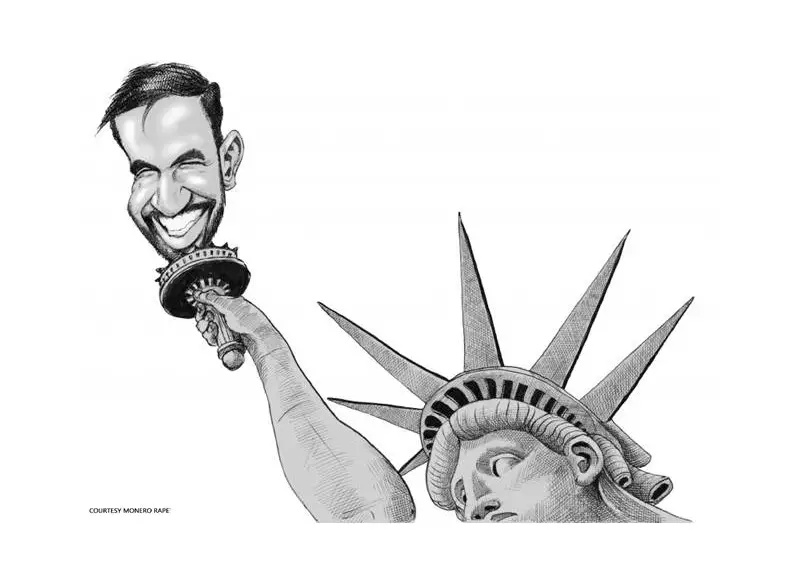
A political cartoon published in a leading Pakistani newspaper has become the center of a heated national conversation, raising critical questions about the boundaries of satire, artistic freedom, and responsible journalism in the country.
The Spark: A Cartoon That Divided Opinion
The controversy began when The Nation published a cartoon on its pages on January 4, 2026. The illustration, which employed classic satirical techniques, offered a pointed commentary on the contemporary political landscape. While the specific subject of the cartoon remains a matter of interpretation, its publication immediately triggered a polarized response from various segments of society.
Supporters of the cartoon hailed it as a legitimate and necessary exercise of free speech, arguing that political satire has a long and vital history in holding power to account. They emphasized that cartoons are a form of protected expression, intended to provoke thought and discussion rather than to offend. Critics, however, condemned the artwork, labeling it as disrespectful and crossing the line from critique into inappropriate commentary. This division highlights the delicate balance media outlets must navigate in Pakistan's complex socio-political environment.

Broader Implications for Media and Free Speech
The incident has swiftly moved beyond a single publication to ignite a broader debate on the state of freedom of expression in Pakistan. Media watchdogs and civil society organizations have used the moment to reflect on the increasing pressures faced by journalists and artists. The discussion now encompasses legal frameworks, ethical responsibilities, and the societal tolerance for dissenting or critical voices presented in artistic forms.
Analysts point out that such controversies are not isolated. They often serve as a barometer for the space available for critical discourse. The reaction to this cartoon, from both the public and potentially from institutions, is being closely watched as an indicator of the health of democratic debate in the country. The core question being asked is: How much space does Pakistani society and its governing structures allow for satire as a tool of political and social commentary?
Looking Ahead: A Nation Grappling with Boundaries
The fallout from the cartoon's publication is likely to continue in the coming days. Key developments to monitor include:
- Official Responses: Any statements or actions from government bodies, regulatory authorities, or political parties regarding the content.
- Editorial Stance: The editorial policy of The Nation and other media houses in light of the reaction, and whether it influences future content decisions.
- Public Discourse: The longevity and depth of the public debate on social media, talk shows, and in editorial columns about the limits of free speech.
Ultimately, this episode serves as a poignant reminder of the ongoing tension between creative liberty and perceived social and political sensitivities. The resolution of this specific case, and the conversations it fuels, will contribute to defining the evolving landscape for Pakistan media and all those who contribute to its vibrant, often contentious, public sphere. The nation finds itself once again at a familiar crossroads, weighing the value of unfettered expression against other deeply held communal and national values.