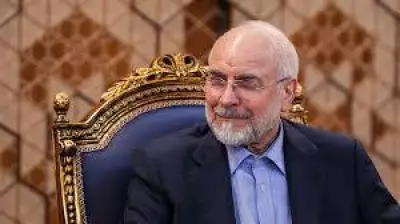
Pakistan Peoples Party (PPP) Chairman Bilawal Bhutto-Zardari has issued a significant appeal to the rival Pakistan Tehreek-e-Insaf (PTI), urging its leadership and supporters to step back from what he terms extremist political tactics. The call was made on December 29, 2025, framing the need for a return to core democratic principles as vital for the nation's political stability.
A Call for Political Normalcy
In his statement, Bilawal Bhutto-Zardari emphasized that sustainable political progress can only be achieved within the framework of established democratic norms. He expressed concern that the current trajectory of confrontational and extreme politics undermines national institutions and creates an environment of perpetual instability. The PPP chairman's remarks highlight a growing discourse on the health of Pakistan's political environment, suggesting that all major parties bear responsibility for preserving democratic traditions.
The Context of Reconciliation and Resistance
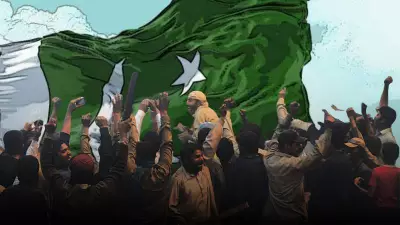
This appeal aligns with ongoing political debates about reconciliation. Notably, on the same date, December 29, 2025, Khyber Pakhtunkhwa Chief Minister Ali Amin Gandapur presented a contrasting viewpoint. He stated that "reconciliation without resistance will be non-productive," indicating a more combative political stance. These divergent statements from key political figures underscore the complex and often polarized nature of Pakistan's current political landscape, where definitions of legitimate opposition and democratic resistance are hotly contested.

Broader National Priorities Amidst Political Discourse
While political narratives unfolded, the government also focused on substantive policy issues. Prime Minister Shehbaz Sharif, while launching the KINOR initiative on December 29, 2025, highlighted the government's commitment to public welfare, declaring cancer treatment a "noble mission." Furthermore, on the foreign policy front, Pakistan formally rejected Israel's recognition of Somaliland on December 28, 2025. Additionally, Foreign Minister Ishaq Dar asserted on the same day that Pakistan has punctured India's claim of being a net security provider in the region, reaffirming the nation's stance on regional security dynamics.
The juxtaposition of domestic political appeals, policy launches, and firm foreign policy positions paints a picture of a multi-faceted national agenda. Bilawal's direct address to the PTI is seen as an attempt to lower political temperatures and forge a more issue-based democratic contest, moving away from personalities and polarization towards a system focused on governance and public service.