The political fabric of Pakistan continues to evolve in 2026, presenting a complex tapestry of challenges and opportunities. The nation stands at a critical juncture, navigating through intricate constitutional matters, pressing economic reforms, and dynamic parliamentary sessions. This analysis seeks to unravel the multifaceted issues currently defining the country's trajectory, examining the interplay between key institutions and the implications for national stability and progress.
Constitutional and Parliamentary Dynamics
The National Assembly and Senate remain central arenas for legislative action and political debate. Recent sessions have been dominated by discussions on crucial amendments aimed at streamlining governance and enhancing institutional accountability. The opposition parties have been actively engaging in parliamentary processes, presenting alternative policy frameworks and scrutinizing the cabinet's decisions. This robust, albeit often contentious, dialogue is a cornerstone of the democratic process, reflecting the diverse political will of the Pakistani populace.
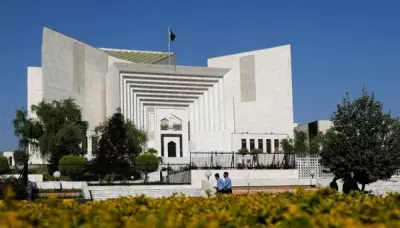
Simultaneously, the judiciary continues to play its pivotal role as an arbiter of constitutional interpretation. Several high-profile cases pertaining to the separation of powers and fundamental rights are under judicial review, with verdicts expected to have long-lasting repercussions on the country's legal and political framework. The delicate balance between different branches of government is constantly being tested and redefined.

Economic Policy and Sectoral Challenges
On the economic front, the government is grappling with persistent issues of inflation and currency stability. Policy makers are focused on stimulating the manufacturing and textile sectors, which are vital for export earnings and employment. New trade agreements and foreign investment opportunities are being explored to bolster the economy. However, challenges in the energy sector and the need for a more conducive environment for startups and the IT industry present significant hurdles that require innovative and sustained policy interventions.
The banking sector and stock market are showing cautious optimism, responding to both domestic policy shifts and global economic trends. Initiatives under the Digital Pakistan umbrella aim to modernize financial services and promote e-commerce, seeking to integrate the national economy more fully into the global digital marketplace. The success of these initiatives is closely tied to parallel advancements in cybersecurity and telecommunications infrastructure.
Provincial Autonomy and Regional Considerations
The relationship between the federal government and the provinces, including Punjab, Sindh, Khyber Pakhtunkhwa (KPK), and Balochistan, remains a key area of focus. Debates over resource allocation, administrative authority, and the implementation of national policies at the provincial level are ongoing. Cities like Karachi, Lahore, Islamabad, and Peshawar often serve as microcosms of these broader national discussions, each with its unique set of socio-economic challenges and political dynamics.
Furthermore, the regions of Azad Kashmir and Gilgit-Baltistan have their distinct administrative and political contexts, which are integral to the nation's overall cohesion. Ensuring equitable development and political representation across all regions is a persistent goal for federal and provincial authorities alike.
Foreign Policy and Diplomatic Engagements
Pakistan's foreign policy continues to adapt to a rapidly changing geopolitical landscape. Maintaining strategic diplomatic relations, particularly with neighboring countries and major global powers, is paramount. The country's stance on regional security, trade, and international cooperation is being actively shaped through high-level dialogues and bilateral meetings. These engagements are crucial for securing Pakistan's interests on the world stage and fostering an environment conducive to peace and economic partnership.

In conclusion, the process of unravelling Pakistan's current state reveals a nation engaged in a continuous and complex process of self-definition and governance. The interplay between constitutional integrity, economic resilience, and political pluralism will determine the path forward. As 2026 progresses, the actions of political leaders, the robustness of institutions, and the will of the people will collectively chart the course for Pakistan's future.