America's Political Landscape After Trump: A New Era of Challenges and Opportunities
The conclusion of Donald Trump's presidency has ushered in a transformative period for the United States, characterized by deep political divisions and evolving global dynamics. As the nation navigates this post-Trump era, it faces a complex array of issues that will define its trajectory for years to come.
Political Polarization and Domestic Strife
One of the most significant legacies of the Trump administration is the heightened level of political polarization within American society. The country remains sharply divided along ideological lines, with ongoing debates over issues such as immigration, healthcare, and climate change. This division has led to increased social tensions and challenges in governance, as bipartisan cooperation becomes increasingly difficult to achieve.
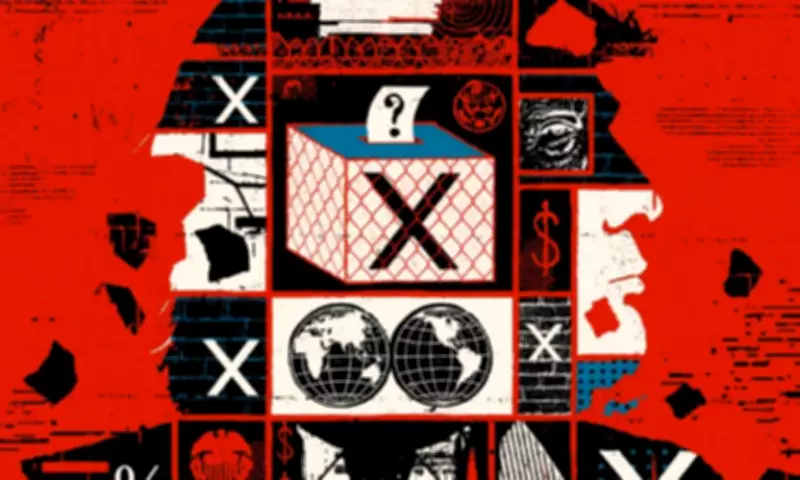
Furthermore, the aftermath of the 2020 election and the events of January 6, 2021, have left a lasting impact on the nation's political discourse. Trust in democratic institutions has been eroded, and the role of misinformation in politics has become a critical concern. Efforts to rebuild this trust and ensure the integrity of future elections are now paramount priorities for policymakers.

Economic Shifts and Policy Reforms
Economically, the post-Trump era is witnessing significant shifts in policy and market dynamics. The Biden administration has introduced a series of reforms aimed at addressing income inequality, infrastructure development, and climate change. These initiatives represent a departure from the previous administration's focus on deregulation and tax cuts.
Key economic challenges include managing inflation, revitalizing the job market in the wake of the COVID-19 pandemic, and navigating trade relations with global partners. The United States is also grappling with the long-term implications of technological advancements and automation on the workforce, requiring adaptive strategies to ensure economic resilience.
Global Relations and Foreign Policy Realignments
On the international stage, America's role has undergone notable changes since the Trump presidency. The current administration is working to rebuild alliances with traditional partners, such as NATO members and Asian allies, while addressing emerging threats from competitors like China and Russia.
Foreign policy priorities now include re-engaging with multilateral organizations, combating climate change through global cooperation, and managing geopolitical tensions in regions like the Middle East and Eastern Europe. The shift from an "America First" approach to a more collaborative stance is reshaping diplomatic efforts and international perceptions of U.S. leadership.
Social and Cultural Dynamics
Beyond politics and economics, the post-Trump era is influencing social and cultural norms in America. Movements for racial justice, gender equality, and LGBTQ+ rights have gained momentum, leading to broader conversations about inclusivity and representation. These discussions are impacting legislation, corporate practices, and public discourse across the country.
Additionally, the role of media and technology in shaping public opinion continues to evolve, with debates over free speech, censorship, and the spread of misinformation becoming increasingly prominent. Navigating these cultural shifts while preserving democratic values remains a critical challenge for society.
Looking Ahead: Opportunities for Progress
Despite the challenges, the post-Trump era also presents opportunities for progress and renewal. Innovations in renewable energy, healthcare, and digital infrastructure offer potential pathways to address pressing issues like climate change and public health. Moreover, the renewed focus on civic engagement and grassroots activism could foster a more participatory democracy.
As America moves forward, the ability to bridge divides, embrace diversity, and adapt to changing global realities will be essential. The lessons learned from the Trump presidency and its aftermath will likely influence political strategies, policy decisions, and societal norms for generations to come, shaping a future that balances tradition with transformation.