The year 2025 proved to be another pivotal chapter for women's rights in Pakistan, where the struggle for equality remained firmly at the heart of the nation's social and political discourse. While legal frameworks and grassroots activism showed signs of advancement, millions of women continued to grapple with systemic violence, restricted economic pathways, and deep-rooted societal obstacles. The demand for gender justice resonated more powerfully than ever, echoing through protest marches, courtrooms, and digital platforms across the country.
A National Emergency: The Unabated Scourge of Gender-Based Violence
The most alarming statistic of the year underscored a persistent crisis: gender-based violence (GBV) remained a national emergency. Data from the Sustainable Social Development Organization (SSDO) for 2024 revealed a staggering 32,617 reported cases of GBV nationwide. This horrific tally included 5,339 incidents of rape, 24,439 cases of kidnapping or abduction, 2,238 domestic violence reports, and 547 honour killings. Activists and experts unanimously warn that the true scale is far greater, hidden by pervasive underreporting and social stigma.
Compounding the tragedy is a near-total collapse of judicial accountability. The SSDO report highlighted catastrophically low conviction rates: approximately 0.5% for rape and honour killings, a mere 0.1% for kidnappings, and only 1.3% for domestic violence cases. This failure of the justice system perpetuates a cycle of impunity. Furthermore, the Society of Obstetricians and Gynaecologists Pakistan (SOGP) confirmed that this epidemic of violence directly damages maternal health, contributing to higher rates of mortality and illness among mothers.

Economic and Social Participation: Glimmers of Hope Amid Deep Divides
On the economic front, progress was slow and uneven. The Pakistan Bureau of Statistics' Labour Force Survey for 2024–25 indicated a slight rise in female participation, which reached roughly 24.4%. However, this paled in comparison to the male participation rate of 69.8%, with only 19.9 million women in a total labour force of 85.6 million. The International Labour Organization's 2025 report exposed a persistent wage gap, with women earning 25–30% less than men, a disparity that widens to around 40% in the informal sector.
A massive, often invisible, burden was quantified by the survey: 45.4 million women performed unpaid domestic and care work throughout the year. In education, the World Economic Forum's 2025 Global Gender Gap Report noted a modest 1.5 percentage point improvement in attainment, driven by a rise in female literacy from 46.5% to 48.5%. Yet, for countless girls in rural and underdeveloped regions, poverty, unsafe infrastructure, and social pressures continued to block access to schooling.
Legal Loopholes and Growing Public Mobilization
The year highlighted a critical flaw in Pakistan's approach to women's rights: the gap between law and its enforcement. While protective legislation exists, civil society observers pointed out that meaningful access to justice remains out of reach for many, especially marginalized women who face stigma, financial hurdles, and fear. Although some high-profile court interventions offered hope, they were exceptions rather than the rule.
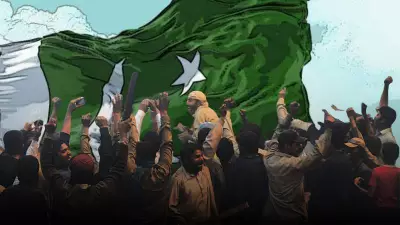
In response, 2025 witnessed a significant surge in public mobilization. Women's marches, community rallies, and digital campaigns brought issues like workplace harassment and economic insecurity into sharp focus. Social media emerged as a double-edged sword—a space of risk but also of powerful solidarity, where survivors documented abuse and demanded accountability.
Despite this growing visibility, formal political representation stagnated. The WEF report noted a drop in Pakistan's political empowerment score, with the share of women in ministerial roles falling to zero in 2025. The challenges were magnified for women facing intersectional discrimination—those from religious or ethnic minorities, transgender women, women with disabilities, and climate-displaced communities—who encountered compounded vulnerabilities with underdeveloped support systems.

In conclusion, 2025 ended on a note of fragile hope for Pakistani women. Modest gains in education and economic participation, alongside amplified public voices, signaled a shifting tide. However, the hard data—over 32,000 GBV cases, millions in unpaid labour, less than a quarter of women in the formal workforce, and near-zero conviction rates—paints a stark picture of systemic failure. True transformation demands that policy promises be matched by rigorous enforcement, expanded social services, and a fundamental societal shift. The momentum built by activists and citizens this year sets the stage for a crucial test: whether the call for change can finally translate into tangible equality, dignity, and justice for all women in Pakistan.