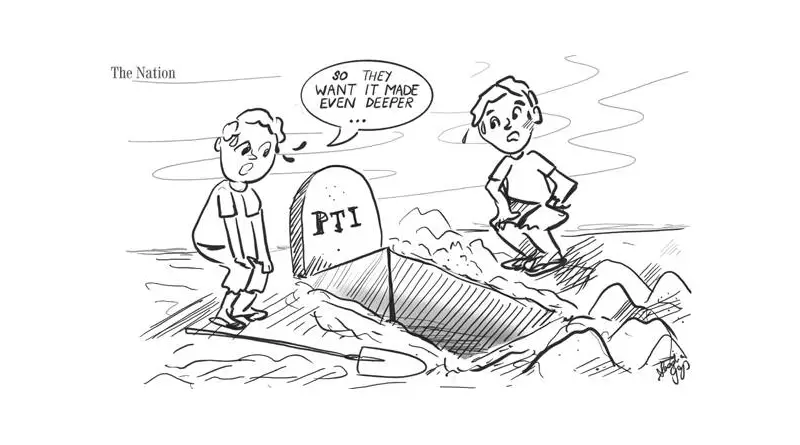
A recent political cartoon published in a national newspaper has ignited a fierce debate across Pakistan, bringing the complex issues of freedom of expression, satire, and media responsibility back into the spotlight. The illustration, which commented on current political affairs, has drawn strong reactions from various quarters, highlighting the delicate balance between artistic commentary and societal sensitivities in the country.
The Cartoon and Its Immediate Fallout
The cartoon in question, which appeared in the December 22, 2025, edition of a prominent publication, used symbolic imagery to critique contemporary political dynamics. While the specific visual metaphors are a subject of interpretation, the core message was perceived as a pointed satire on the state of national politics. Within hours of its publication, the cartoon became a viral topic on social media platforms, with netizens divided into opposing camps.
On one side, advocates for unfettered freedom of expression hailed the cartoonist's work as a brave exercise of democratic rights and a necessary critique of power. They argued that satire has a long and vital history in holding leaders accountable and stimulating public discourse. On the other side, critics condemned the cartoon as disrespectful, offensive, and crossing the line of acceptable commentary. Some political figures and commentators called for accountability, suggesting the content could be seen as undermining national institutions.

A Recurring Debate on Limits and Liberty
This incident is not an isolated one in Pakistan's media landscape. The nation has repeatedly grappled with defining the boundaries of free speech, especially in the context of political and religious satire. The debate often centers on where legitimate criticism ends and where defamation or incitement begins. Legal experts point to the constitutional protections for freedom of speech under Article 19, which is nonetheless subject to "reasonable restrictions" in the interest of various factors, including national security and public order.
Media watchdogs and journalists' unions have often found themselves at the heart of such controversies. They consistently argue that a vibrant democracy requires a press that can question and critique without fear of reprisal. The pressure on cartoonists and editorial teams, they note, can lead to self-censorship, which ultimately impoverishes public debate. The timing of this latest controversy is particularly significant, coming amidst ongoing discussions about media regulations and the space for dissent in the public sphere.
Public Reaction and the Path Forward
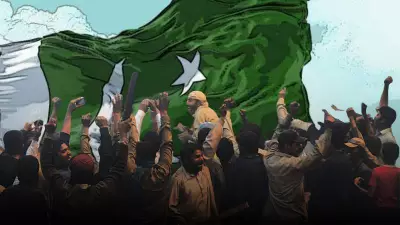
The public reaction has been a microcosm of Pakistan's diverse society. Television talk shows dedicated segments to the issue, with panelists from law, media, and civil society presenting clashing viewpoints. On digital platforms, hashtags both supporting and condemning the cartoon trended, demonstrating the deep societal split. This polarization underscores the challenge of finding a common ground that respects both creative freedom and communal harmony.
Looking ahead, this episode serves as a critical reminder of the ongoing negotiation required in a democratic society. It raises essential questions: How can Pakistan foster a culture where satire is understood as a form of engagement rather than enmity? What mechanisms can ensure accountability without stifling legitimate critique? The answers to these questions will shape the future of media freedom and democratic discourse in the country. The conversation sparked by a single cartoon on December 22nd is, therefore, about much more than ink on paper; it is a reflection of the nation's continuing journey to define its core democratic values.