Islamabad's Green Cover Enhanced Through Strategic Tree Replacement, Says Minister
ISLAMABAD – The federal capital has become significantly greener than before, with a net gain in tree cover following a targeted removal program, according to a detailed statement in the Senate on Tuesday. Minister for Parliamentary Affairs Dr Tariq Fazal Chaudhry provided comprehensive updates, addressing concerns and presenting verifiable evidence to support the government's environmental initiatives.
Satellite Imagery Confirms Increase in Green Texture
Responding to points raised about alleged tree cutting in Islamabad, Dr Chaudhry emphasized that all infrastructure projects strictly adhere to the Islamabad Master Plan approved in 1960. He assured the House that claims regarding the capital's greenery could be independently verified through Google satellite imagery, which clearly shows Islamabad's green character across different time periods. The minister highlighted that this transparency underscores the government's commitment to factual accountability.
Historical Context and Health Concerns Behind Paper Mulberry Removal
Explaining the rationale for removing paper mulberry trees, Dr Chaudhry noted that these wild mulberry trees were introduced in the 1970s via aerial seeding to quickly establish greenery. However, he pointed out that this species is not indigenous to the area. Scientific studies since the early 1990s have identified paper mulberry pollen as a major contributor to asthma and pollen allergies among residents, necessitating their removal for public health reasons.

Judicial Oversight and Comprehensive Assessment
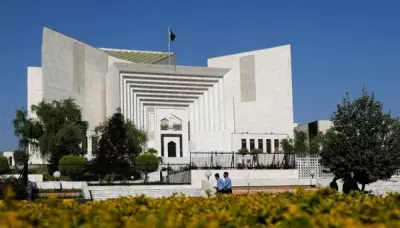
The removal process began in 2024 following Islamabad High Court orders but was temporarily halted after the Supreme Court took suo motu notice. A commission constituted by the apex court later reviewed the matter and fully endorsed the removal, declaring it necessary in the larger public interest. To ensure accuracy, the Capital Development Authority (CDA), in collaboration with SUPARCO, conducted a satellite-based assessment comparing green cover images from previous years, during the removal phase, and at present.
- The data confirms that Islamabad's green texture has not shifted to brown.
- A total of 26,000 paper mulberry trees have been removed.
- In their place, 46,000 new trees have been planted, resulting in a net increase in greenery.
Government Commitment to Environmental Preservation
Dr Chaudhry reassured the Senate that the government remains fully committed to preserving and enhancing Islamabad's green character. He stated there is no policy or intent to convert green areas into brown zones, with all actions taken transparently in line with court orders and planning laws. The satellite imagery and data will be formally presented before the House to provide clear evidence of these efforts.
This initiative reflects a balanced approach to urban development, prioritizing both environmental sustainability and public health, while maintaining strict adherence to legal and planning frameworks.