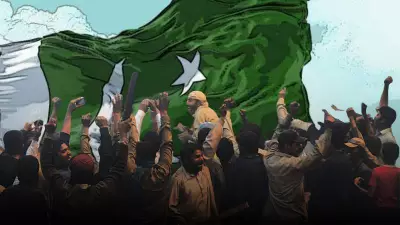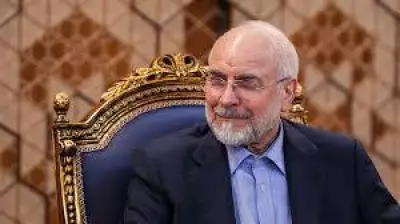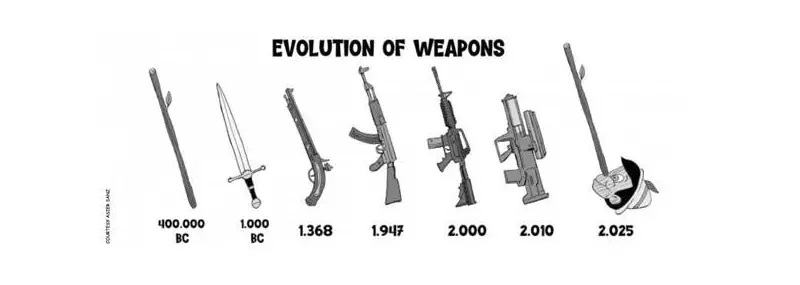
A recent political cartoon featured in the prominent Pakistani daily, The Nation, has ignited a firestorm of debate and criticism across the country. The illustration, published on December 2, 2025, has been perceived by many readers and political commentators as crossing a line, leading to calls for greater editorial accountability.
The Source of the Controversy
The core of the dispute lies in the cartoon's content and its perceived message. While the specific visual details are subject to interpretation, the publication has been accused of using satire in a manner that many find offensive or irresponsible. The incident underscores the delicate balance media houses must maintain between freedom of expression and social responsibility in a politically charged environment.
Reactions have poured in from various quarters, including political figures, civil society, and the general public. Critics argue that such content can exacerbate tensions and undermine democratic discourse, while defenders of the publication may cite the importance of satire and critique in a healthy democracy. The date of publication, December 2, 2025, now marks a significant point in ongoing conversations about media boundaries.

Broader Implications for Pakistani Media
This event is not occurring in a vacuum. It touches upon longstanding issues regarding press freedom and editorial oversight in Pakistan. The controversy raises critical questions about where the line should be drawn between acceptable political commentary and content that could be deemed harmful or divisive.
Media analysts suggest that the fallout from this single cartoon could have a chilling effect on other publications, potentially leading to more cautious self-censorship. Conversely, it might also spark a renewed debate about the role and limits of satirical journalism in holding power to account.
Public and Official Reactions
The public response has been sharply divided, reflecting the country's complex political landscape. Social media platforms have been abuzz with discussions, with hashtags related to the controversy trending for hours. Meanwhile, official reactions have begun to surface, though their nature and intensity vary.
Some political groups have reportedly condemned the cartoon in strong terms, demanding an apology or even legal action against the newspaper. The management of The Nation is now faced with navigating this crisis, balancing its editorial independence with the pressures emanating from different segments of society.
Looking Ahead: Accountability and Dialogue
The immediate consequence of this controversy is a heightened scrutiny of editorial processes at major news outlets. There are calls for more robust internal mechanisms to review potentially sensitive content before it reaches print or digital platforms.
Ultimately, the incident involving The Nation's cartoon on December 2, 2025, serves as a potent reminder of the power of visual media in shaping public opinion. It highlights the need for continuous dialogue among journalists, regulators, and the public to define the contours of responsible journalism in Pakistan. The path forward will likely involve difficult conversations about creative freedom, national sentiment, and ethical publishing.