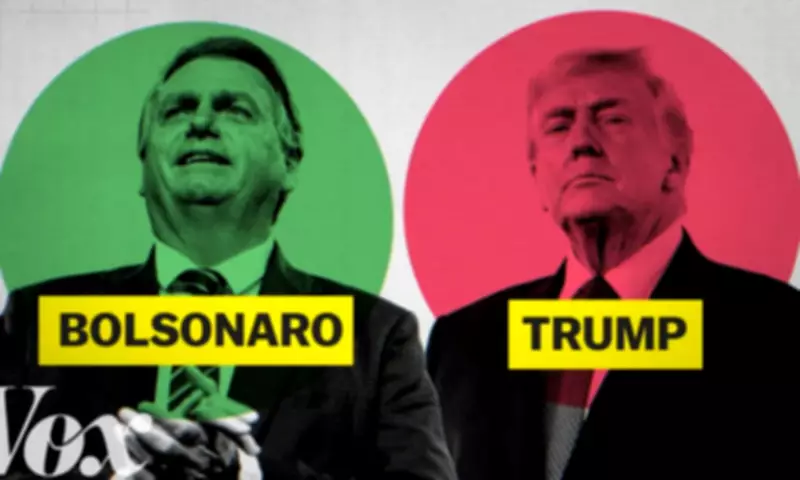
Brazil vs. US: Two Insurrections, Divergent Paths of Justice
On January 8, 2023, a pivotal event shook Brazil's political landscape. Thousands of ardent supporters of right-wing former President Jair Bolsonaro violently stormed federal buildings in the nation's capital, Brasília. Their explicit objective was to overturn the results of a presidential election they baselessly claimed was fraudulent, despite the complete absence of credible evidence supporting such allegations.
This scene bore a striking and unsettling resemblance to the January 6, 2021, attack on the United States Capitol. Both events featured mob violence, constituted clear insurrections against democratic processes, and were fueled by defeated leaders who stubbornly refused to concede defeat. The parallels between these two assaults on democracy are profound and impossible to ignore.
A Stark Contrast in Aftermath and Accountability
However, the aftermath and judicial consequences of these two similar crises have unfolded in dramatically different ways. In Brazil, the democratic system moved decisively. Former President Jair Bolsonaro, often dubbed "the Trump of the Tropics," is currently serving a substantial 27-year prison sentence for his role in the insurrection and related crimes.

In stark contrast, in the United States, former President Donald Trump, whose rhetoric and actions were central to the January 6 attack, not only avoided immediate criminal conviction for that event but was subsequently re-elected to the presidency. This presents a critical puzzle for political observers worldwide.
Analyzing the Democratic Response
How did two major democracies, confronted with nearly identical threats from within, arrive at such diametrically opposed outcomes? The answer lies in the strength and responsiveness of their respective institutions. Brazil's judiciary, particularly figures like Supreme Court Justice Alexandre de Moraes, played a pivotal role. Moraes aggressively pursued cases against Bolsonaro and his allies, cracking down on election misinformation and holding the former president accountable through a rigorous legal process.
This robust institutional response stands in contrast to the more fragmented and politically charged environment in the United States, where legal proceedings against Trump have been slower and deeply entangled with partisan politics. The comparison raises essential questions about the resilience of democratic safeguards.
Lessons for Global Democracy
The Brazilian case offers a potent lesson in democratic maturity and the enforcement of accountability. Experts argue that Brazil's approach—swift legal action against the instigators of the insurrection—may provide a blueprint for other nations facing similar populist challenges. It demonstrates that democratic institutions can, and must, defend themselves against internal subversion.
Meanwhile, the United States' path highlights the complexities and potential vulnerabilities when political polarization impedes judicial and political accountability. The divergent fates of Bolsonaro and Trump underscore a global debate on how democracies survive and recover from attacks launched by their own leaders.
This analysis is not merely academic; it has real-world implications for the future of democratic governance. As countries worldwide grapple with rising authoritarian tendencies, the contrasting stories of Brazil and the United States serve as crucial case studies in the defense of democratic norms, the rule of law, and the consequences for those who seek to undermine them.