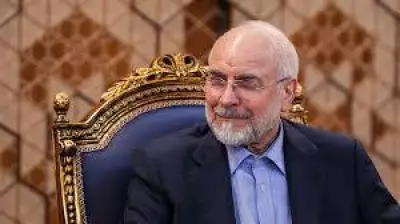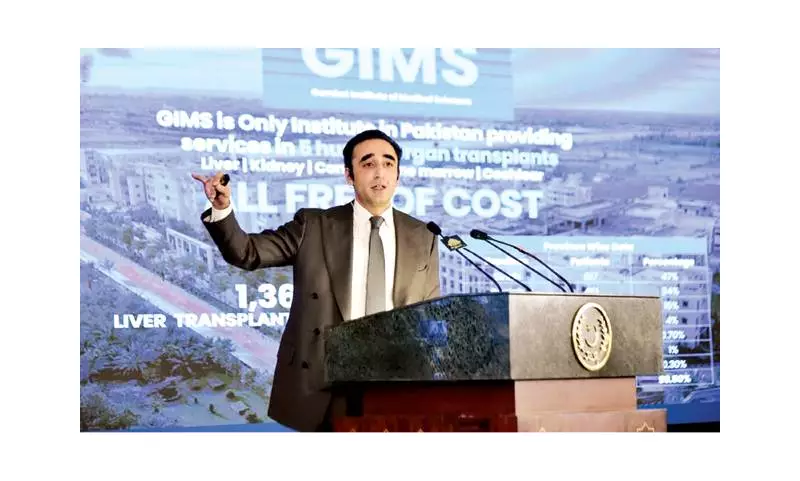
Pakistan Peoples Party (PPP) Chairman Bilawal Bhutto Zardari has put forward a significant proposal to reshape the country's revenue collection system. He suggested that the power to collect sales tax should be transferred from the federal government to the provincial administrations. This move, he argues, is a logical extension of the spirit of the 18th Constitutional Amendment and is crucial for strengthening true fiscal federalism in Pakistan.
The Core Proposal: Empowering Provinces Financially
Bilawal Bhutto made this pivotal suggestion during a meeting with a delegation from the Sindh chapter of the Pakistan Muslim League-Nawaz (PML-N), led by its president, Bashir Memon. The discussion centered on the prevailing political landscape and matters of mutual interest. The PPP chairman emphasized that allowing provinces to collect sales tax themselves would be a major step towards fulfilling the promise of provincial autonomy envisioned by the constitutional amendment over a decade ago.
He pointed out that despite the devolution of powers post-18th Amendment, critical financial tools like sales tax collection remained with the federal government. This, according to Bilawal, creates a dependency that undermines the provinces' ability to manage their own economic destinies effectively. The proposal aims to rectify this imbalance and provide federating units with a more substantial and direct revenue stream.

Addressing Sindh's Specific Grievances
The context of Sindh's specific financial complaints formed a backdrop to this proposal. Bilawal Bhutto highlighted the longstanding grievances of the Sindh government regarding what it perceives as unfair financial treatment by the center. A key issue raised was the dispute over the National Finance Commission (NFC) Award and the distribution of resources.
The PPP chairman reiterated his party's stance that Sindh has not been receiving its fair share of resources as mandated by the constitution. He accused the federal government of failing to honor its financial commitments to the province. By proposing provincial collection of sales tax, Bilawal is advocating for a system where Sindh, and other provinces, could have greater control over a major tax revenue, potentially insulating them from central disputes and delays.
Political Implications and the Path Forward
This proposal is not just an economic reform idea but carries substantial political weight. It reinforces the PPP's traditional stance as a champion of provincial rights, particularly for Sindh. The meeting with the PML-N Sindh delegation, which included figures like Saleem Zia and Ali Akbar Gujjar, also indicates an effort to build consensus on issues affecting the province across party lines.
The move is likely to spark a nationwide debate on fiscal federalism. While provinces may welcome the idea for the increased autonomy it promises, the federal government may have concerns about the potential fragmentation of the national revenue collection apparatus and its impact on the central fiscal pool. Implementing such a change would require constitutional and legislative adjustments, necessitating broad political agreement.
In conclusion, Bilawal Bhutto Zardari's suggestion to devolve sales tax collection to the provincial level is a bold call to deepen financial decentralization in Pakistan. It seeks to address core issues of provincial autonomy and resource distribution that have persisted since the 18th Amendment. The proposal underscores a critical juncture in Pakistan's ongoing evolution towards a more federated structure, where the balance of economic power between the center and the provinces remains a central and contentious theme.