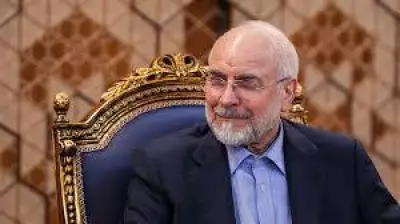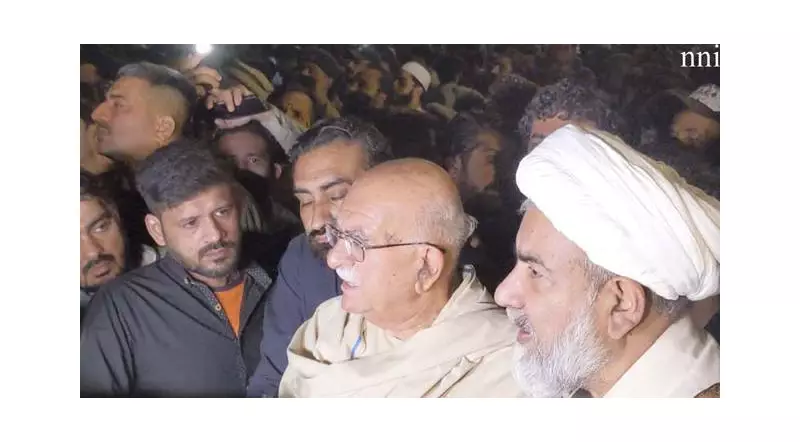
In a significant political development, Mahmood Khan Achakzai, the Chairman of the Pashtunkhwa Milli Awami Party (PkMAP), has extended his party's complete and unconditional support for initiatives aimed at strengthening the Parliament of Pakistan. This commitment was made during a crucial meeting with the National Assembly Speaker, Sardar Ayaz Sadiq, in Islamabad.
A Meeting of Minds on Parliamentary Supremacy
The high-level discussion between the two political figures centered on the pivotal role of the Parliament within the country's democratic framework. Achakzai, a veteran politician known for his staunch advocacy of constitutionalism, emphasized the necessity of fortifying parliamentary institutions to ensure they function as the supreme legislative and representative body. The meeting served as a platform to discuss practical measures for enhancing the effectiveness and authority of the National Assembly.
Speaker Ayaz Sadiq welcomed Achakzai's supportive stance, recognizing it as a constructive step towards fostering political unity on matters of national importance. The conversation reportedly delved into the broader context of upholding democratic traditions and ensuring that all state organs operate within their constitutionally defined boundaries. This dialogue is seen as part of ongoing efforts to build consensus among political parties regarding the foundational principles of governance.

Unwavering Commitment to Democratic Norms
Mahmood Khan Achakzai used the opportunity to reiterate his party's long-standing position on the supremacy of the Parliament. He argued that a powerful and respected legislature is the cornerstone of any functioning democracy and is essential for addressing the multifaceted challenges facing Pakistan. His offer of support is not tied to any immediate political gain but is framed as a principled stand for strengthening the state's democratic pillars.
The PkMAP Chairman's move is interpreted by political observers as an effort to reinforce the centrality of parliamentary democracy in national discourse. The meeting, held on January 20, 2026, underscores a shared concern among various political segments about the need to protect and empower elected institutions. By aligning with the Speaker on this agenda, Achakzai aims to contribute to a more robust and independent legislative process.
Implications for Pakistan's Political Landscape
This development carries considerable weight for Pakistan's political environment. A show of cross-party support for strengthening Parliament can help insulate the institution from external pressures and elevate its status in the public eye. It signals a potential for collaboration on issues of constitutional governance, even amidst the usual political rivalries.
The commitment from a key regional party leader like Achakzai adds a significant voice to the call for institutional integrity. It highlights a collective recognition that the strength of democracy in Pakistan is intrinsically linked to the strength of its Parliament. The outcome of such bipartisan engagements could pave the way for tangible reforms and a renewed focus on legislative sovereignty in the coming months.
In conclusion, Mahmood Khan Achakzai's unequivocal offer of support to National Assembly Speaker Ayaz Sadiq marks a positive step towards consolidating democratic norms. It reflects a growing consensus on the imperative of making Parliament the true center of power and policy-making in the country, a goal that is fundamental for Pakistan's long-term stability and progress.