Punjab Government to Rank Districts on Price Control Performance for Ramazan Relief
The Punjab government has announced a strategic initiative to rank all districts based on their performance in implementing price control measures. This move aims to provide maximum relief to the public during the holy month of Ramazan, ensuring essential commodities remain affordable and accessible.
Key Decisions from the High-Level Meeting
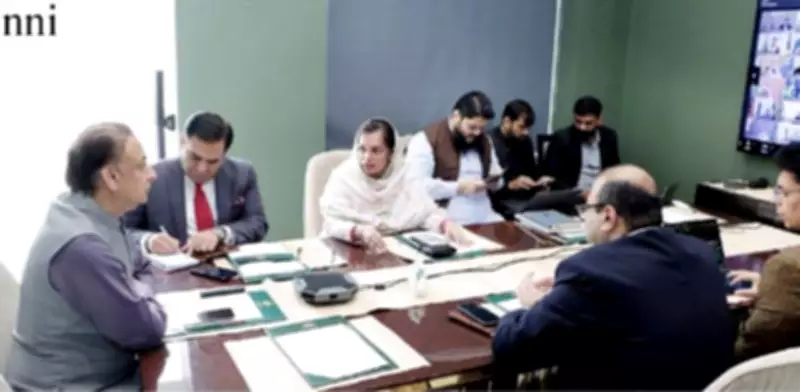
Punjab Chief Secretary Zahid Akhtar Zaman presided over a crucial meeting on Thursday, where officials reviewed the prices and availability of 16 essential commodities across the province. During the session, the Chief Secretary directed the Divisional Commissioner to immediately identify a suitable location for establishing a new vegetable market in Rawalpindi, enhancing supply chain efficiency.
Chief Secretary Zaman highlighted that Punjab Chief Minister Maryam Nawaz has appreciated the administration's efforts in controlling prices so far. However, she emphasized the need for continued dedication and commitment, as providing relief to the public remains the government's top priority.

Impact of Administrative Measures
Officials briefed participants that effective administrative measures have led to a downward trend in food item prices across Punjab. The Nigehban Ramadan Bazaars have played a pivotal role, benefiting more than 4.75 million people to date. These bazaars have provided direct financial relief amounting to Rs 4,27,00,000, offering flour, sugar, chicken, and vegetables at significantly lower prices compared to the open market.
Expansion of Relief Initiatives
In addition to the bazaars, the Food Safety and Consumer Protection Department Secretary reported that 421 Nigehban Ramadan Dastarkhwan centers are currently operational across the province. These centers arrange daily Iftar for over 125,000 people, further supporting vulnerable communities during Ramazan.
To ensure a steady supply of flour in the open market, the distribution of more than 976,000 flour bags has been secured. The government has also intensified its crackdown against profiteers, with over 75,000 inspections conducted so far. This enforcement has resulted in 73 FIRs registered and 650 individuals arrested, demonstrating a firm stance against price manipulation.
Broader Implications and Future Steps
The district ranking system is expected to foster healthy competition among local administrations, encouraging more efficient implementation of price control policies. This initiative aligns with the government's broader economic strategy to stabilize markets and protect consumers, especially during critical periods like Ramazan.
As the holy month progresses, officials are committed to monitoring and adjusting measures to sustain relief efforts, ensuring that all residents have access to affordable essential goods without compromise.