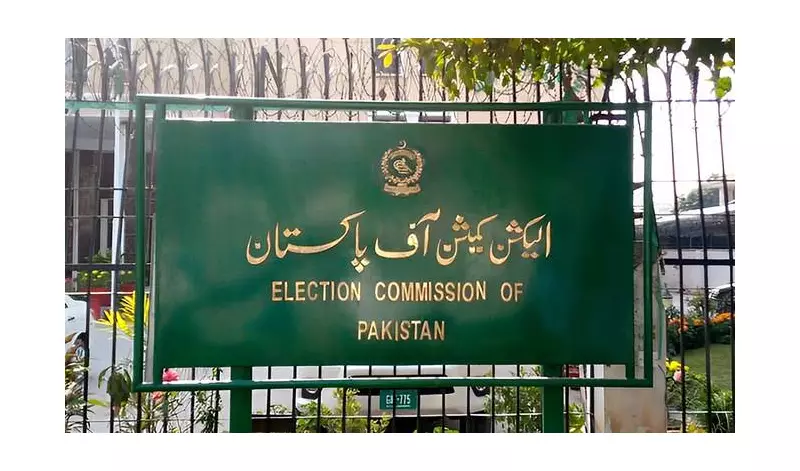
The Punjab government has formally approached the Election Commission of Pakistan (ECP) requesting additional time to complete the crucial delimitation process for upcoming local government elections, sources confirmed on Thursday.
This development comes as the province prepares for grassroots democratic exercises that will shape local governance across Punjab's districts. The provincial authorities have cited the need for meticulous boundary demarcation to ensure fair representation and electoral integrity.
Why the Extension Matters
Delimitation—the process of defining constituency boundaries—is fundamental to ensuring equal voter representation and maintaining the principle of "one person, one vote." The Punjab government's request underscores the complexity involved in creating constituencies that accurately reflect population distributions and demographic changes.

Accurate delimitation prevents gerrymandering and ensures that all communities receive proportional political representation at the local level, where decisions about basic services and development projects directly impact citizens' daily lives.
What This Means for Democratic Process
The Election Commission now faces a critical decision that will determine the timeline for Punjab's local government polls. While efficiency in election scheduling is important, precision in the delimitation process takes precedence to avoid future legal challenges and ensure public confidence in the electoral system.
Local government elections empower communities to address their specific needs through elected representatives who understand local challenges. The delay, while potentially frustrating for political parties and voters, may ultimately strengthen the foundation of local democracy in Pakistan's largest province.
All stakeholders now await the ECP's response, which will set the course for Punjab's next phase of decentralized governance and community-led development initiatives.