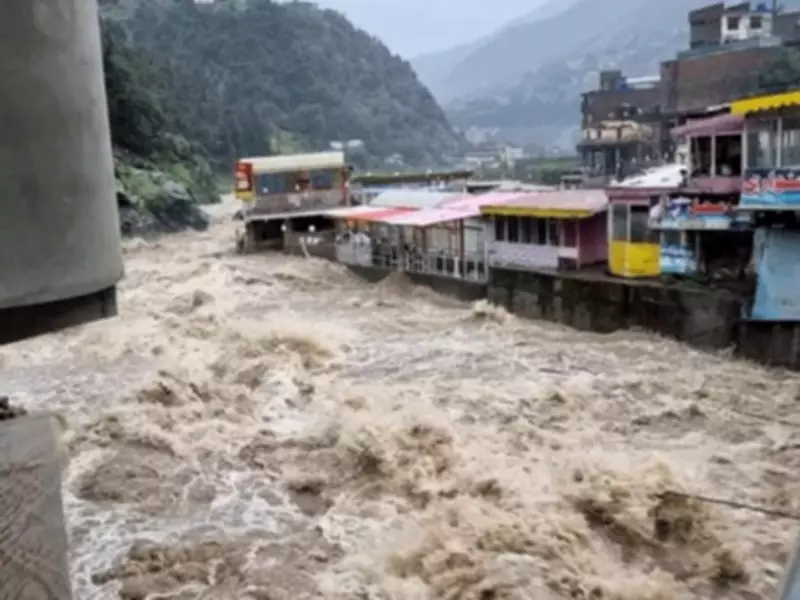
Pakistan's Flood Crisis: Repeated Disasters, No Mitigation Plan in Sight
Pakistan continues to grapple with the devastating impacts of repeated destructive floods, yet a comprehensive mitigation plan remains conspicuously absent. This alarming situation raises serious questions about the government's preparedness and long-term strategy for disaster management. Despite facing numerous flood events in recent years, the country has failed to implement a robust framework to prevent or minimize future damage, leaving vulnerable communities at constant risk.
The Cycle of Destruction and Inadequate Response
Floods have become a recurring nightmare for Pakistan, causing widespread destruction to infrastructure, agriculture, and livelihoods. Each disaster follows a similar pattern: heavy rainfall or glacial melt leads to overflowing rivers, which in turn inundate vast areas, displacing millions and causing billions in economic losses. However, the response has consistently been reactive rather than proactive, focusing on emergency relief instead of sustainable prevention measures.
Experts point out that the lack of a mitigation plan is particularly concerning given Pakistan's high vulnerability to climate change. The country is ranked among the most affected by extreme weather events globally, yet its approach to flood management remains fragmented and insufficient. Without a coordinated strategy, efforts to build resilience are undermined, perpetuating a cycle of damage and recovery that strains national resources.

Key Areas of Neglect in Flood Preparedness
The absence of a mitigation plan is evident in several critical areas:
- Infrastructure Deficiencies: Many flood control structures, such as dams and embankments, are outdated or poorly maintained, reducing their effectiveness during peak flood seasons.
- Early Warning Systems: While some systems exist, they are often inadequate or not integrated into local communities, limiting timely evacuations and preparedness.
- Land Use Planning: Unregulated construction in flood-prone zones exacerbates risks, as seen in urban and rural areas where settlements lack proper drainage or elevation.
- Community Engagement: Local populations are frequently left out of planning processes, despite their firsthand knowledge of flood patterns and needs.
Government Inaction and Its Consequences
Despite repeated calls from environmentalists and disaster management experts, the government has yet to prioritize a national flood mitigation strategy. This inaction has dire consequences, including:
- Economic Losses: Floods disrupt agriculture, a key sector of Pakistan's economy, leading to food insecurity and financial instability for farmers.
- Humanitarian Crises: Displacement and health issues, such as waterborne diseases, become rampant in the aftermath, overwhelming healthcare systems.
- Long-Term Vulnerability: Without mitigation, communities remain trapped in a cycle of rebuilding after each disaster, hindering development and poverty reduction efforts.
The situation is further complicated by bureaucratic delays and a lack of political will to allocate sufficient funds for long-term solutions. While international aid often flows in during emergencies, it rarely translates into sustained investment in prevention infrastructure or policy reforms.
Moving Forward: Urgent Need for a Comprehensive Plan
To break this destructive cycle, Pakistan must urgently develop and implement a holistic flood mitigation plan. This should include:
- Investing in modern infrastructure, such as reinforced levees and efficient drainage systems, to withstand future floods.
- Enhancing early warning mechanisms with technology and community-based training to ensure rapid response.
- Integrating climate resilience into urban and rural planning, restricting construction in high-risk areas.
- Fostering collaboration between federal, provincial, and local authorities to create a unified approach.
Without such measures, Pakistan risks facing even more severe disasters as climate change intensifies. The time for action is now, as continued neglect will only amplify the human and economic toll of future floods.