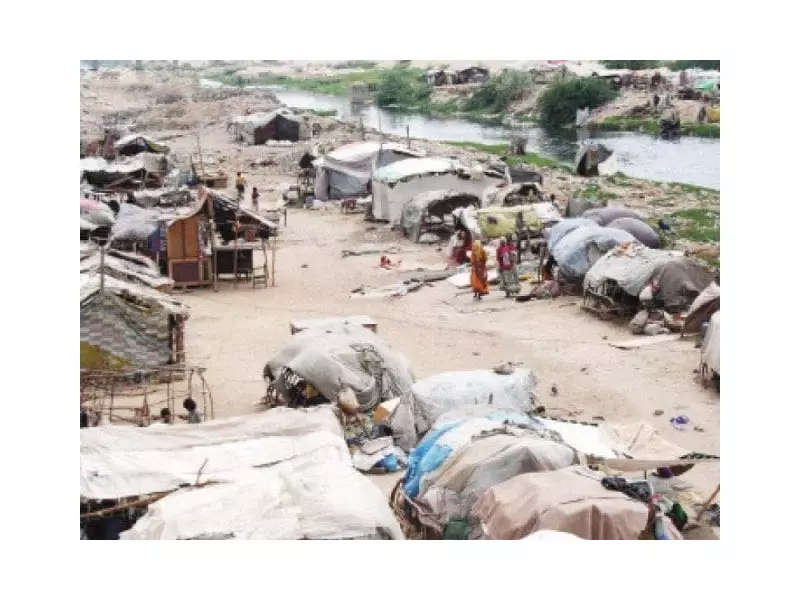
A significant scandal has surfaced in Karachi, implicating government officials in the alleged illegal occupation and sale of land designated for Katchi Abadis, or informal settlements. The accusations point to a disturbing scheme where state land meant for the city's poorest residents is being systematically grabbed and sold off by a powerful network.
The Core of the Allegations
According to reports, the illegal activity centers on plots within various Katchi Abadis across Karachi. The modus operandi involves officials and their associates allegedly occupying these lands and then preparing forged documents to claim ownership. These fraudulent documents are then used to illegally sell the plots to private buyers, effectively dispossessing the original, rightful inhabitants or the state itself.
The Sindh Katchi Abadi Authority (SKAA) has identified at least 15 of its own officials as being involved in this corrupt practice. Furthermore, the scandal extends beyond individual officers, with accusations that a full-fledged "land mafia" is operating with the support and participation of government personnel. This network is accused of not only seizing land but also of using intimidation and threats to silence those who dare to challenge them.

Official Response and Actions Taken
In reaction to these serious allegations, the Sindh government has initiated a crackdown. The most prominent action has been the removal of the Director General of the Sindh Katchi Abadi Authority, Javed Ahmed Siddiqui, from his post. He has been replaced by Abdul Hassan, signaling an attempt to address the corruption from the top.
Authorities have also taken concrete steps on the ground. In the Ali Muhammad Gabol Goth area, police and administration officials conducted an operation to reclaim illegally occupied land. During this operation, they demolished illegal constructions and cleared the state land that had been taken over. This action is seen as a direct response to the allegations and a message that such encroachments will not be tolerated.
Broader Implications and Public Outcry
This scandal has severe implications for urban policy and social justice in Karachi. Katchi Abadis are home to millions of low-income citizens who lack formal land rights. The illegal occupation and sale of this land not only represent a massive corruption and fraud but also directly attack the housing security of the most vulnerable populations.
The involvement of government officials, who are supposed to protect and regulate this land, points to a deep-seated problem within the relevant institutions. It erodes public trust and highlights how powerful interests can exploit systemic weaknesses for personal gain at the expense of the poor. The case has sparked public outrage and calls for a thorough, transparent investigation that holds all involved parties accountable, regardless of their position or influence.
The ongoing situation underscores the persistent challenge of land grabbing in Pakistan's major cities and the complex nexus between corruption, bureaucracy, and the land mafia. The effectiveness of the current crackdown and whether it leads to lasting institutional reform remains to be seen.