Lahore High Court Demands Detailed Implementation Report from Punjab Government on Ramazan Price Control Measures
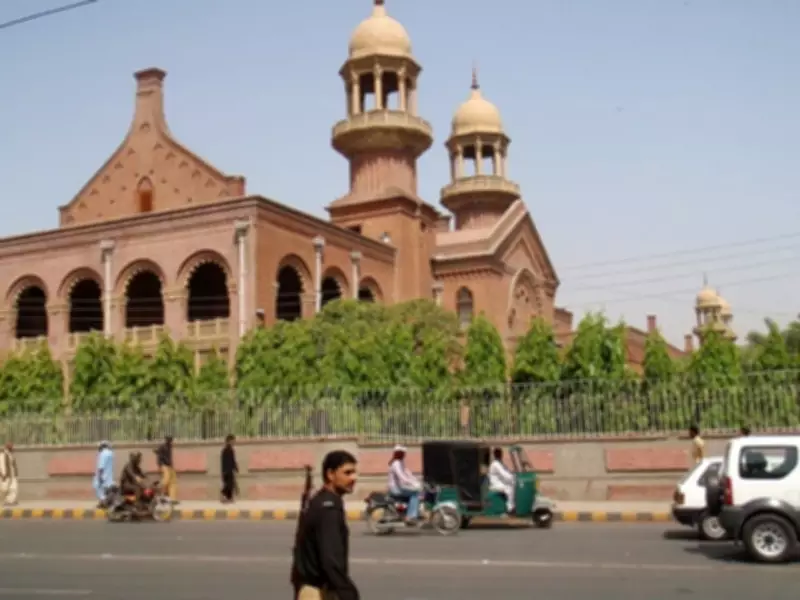
The Lahore High Court (LHC) has formally requested a comprehensive implementation report from the Punjab government concerning the measures enacted to regulate the prices of essential commodities throughout the holy month of Ramazan. Justice Khalid Ishaq presided over the hearing of a significant petition submitted through Advocate Azhar Siddique, which contests the dramatic escalation in prices and accuses authorities of failing to effectively mitigate inflation during this sacred period.
Petitioner Highlights Unbearable Burden on Citizens Due to Soaring Prices
During the court proceedings, the petitioner presented a compelling argument that the costs of daily-use items have spiraled uncontrollably, imposing an intolerable financial strain on ordinary citizens. Specific examples were cited to illustrate the severity of the situation, including bananas being sold at an exorbitant rate of Rs350 per dozen and meat prices skyrocketing to as high as Rs3,200 per kilogram in various local markets across the province.
Allegations of Ineffective Enforcement of Price Control Legislation
The petition further contended that the Punjab Price Control Act 2024 is not being implemented according to its intended purpose and spirit. This alleged failure has purportedly enabled profiteers and hoarders to exploit consumers without facing significant consequences. The petitioner criticized regulatory bodies for conducting what were described as merely token raids, rather than undertaking substantive enforcement actions that could genuinely stabilize market prices and protect public interests.

Criticism of Ramazan Bazaar Scheme and Quality of Goods
Additionally, the plea voiced strong disapproval of the government's Ramazan Bazaar initiative, asserting that it has not succeeded in delivering authentic relief to the populace. According to the petitioner's claims, substandard and inferior quality goods are being distributed at these designated bazaars, which fundamentally undermines the scheme's objective of providing affordable essential commodities to low-income families and vulnerable households during the fasting month.
The court's directive for a detailed report underscores the judicial system's active role in addressing public grievances related to economic hardship and governmental accountability. This development highlights ongoing concerns about inflation management and consumer protection in Punjab, particularly during periods of heightened demand like Ramazan.