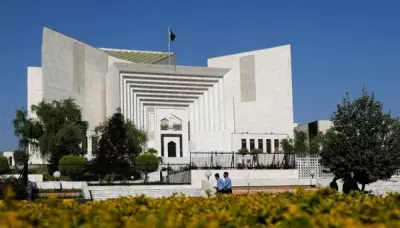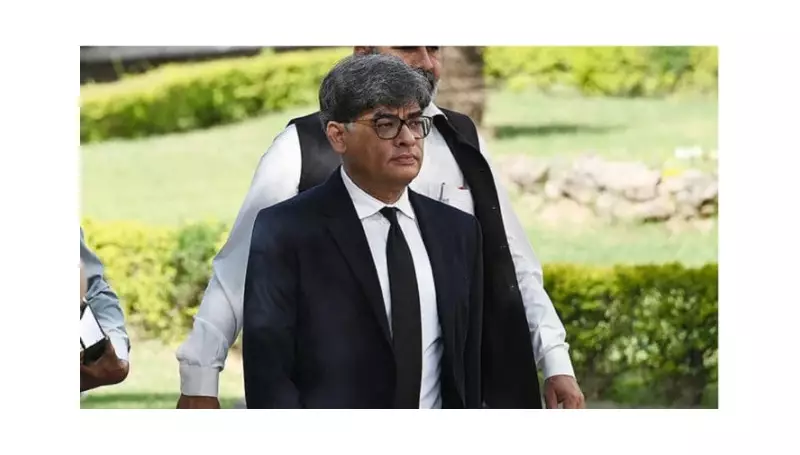
In a development that has sent shockwaves through Pakistan's legal fraternity, two Supreme Court judges known for their progressive constitutional interpretation and staunch defense of fundamental rights have resigned from their positions. Justice Syed Mansoor Ali Shah and Justice Athar Minallah's departure has been described by prominent legal experts as a catastrophic blow to the country's judicial system.
Legal Community Reacts with Alarm
Former attorney general for Pakistan Khalid Jawed Khan did not mince words when assessing the situation. "The Supreme Court has been destroyed with connivance from within," he stated grimly. "The nation and the people mourn this tragedy. We have fallen into this abyss. It will take years before we come out of it."
Former additional attorney general Tariq Mahmood Khokhar offered a different perspective, characterizing the resignations as "the triumph of principles and conscience over expedience." He described the situation as "schadenfreude: the revenge of the independent judges on the extra-constitutionalists."

Khokhar emphasized that the resignations have set a significant precedent. "It will reinvigorate and embrace all tiers of the judiciary, the legal fraternity, and civil society," he predicted, while expressing skepticism about internal reform. "The structural damage is too deep to permit any meaningful reform. On the contrary, there has been a steady erosion of the judicial institution."
Consistent Champions of Civil Liberties
Both Justice Shah and Justice Minallah built reputations for their unwavering positions on critical issues including civil liberties, democracy, women's rights, and minority protections. Their consistency, however, made them controversial figures whose popularity shifted with political winds.
When they granted relief to PML-N leaders against the preferences of "powerful circles," PTI supporters expressed anger. Later, when the same judges ruled that PTI was entitled to reserved seats after general elections, criticism emerged from PML-N quarters.
As Islamabad High Court judge, Justice Minallah provided relief to journalists and political leaders during PTI's rule. His decision to grant relief to Nawaz Sharif and Maryam Nawaz in the Avenfield case drew fierce criticism from PTI workers on social media and even annoyed some Supreme Court judges.
Political Crossfire and Landmark Decisions
Both judges found themselves at odds with former chief justice Mian Saqib Nisar. Justice Shah was among the Supreme Court judges who protected Justice Qazi Faez Isa from removal. Their elevations to the apex court came with intriguing backgrounds.
Justice Shah's judicial reforms in Punjab as Lahore High Court chief justice made him unpopular with many lawyers, yet former CJP Nisar recommended his Supreme Court elevation in January 2018. Similarly, when Justice Minallah began granting relief to PTI leaders during the PDM government, "powerful circles" facilitated his elevation to the Supreme Court.
Their most significant confrontation came when both judges opposed the Supreme Court's suo motu proceedings in the 90-day election case, drawing intense criticism from PTI supporters. Later, when PTI was denied a level playing field in the February 8 election, both judges directed the Election Commission of Pakistan to address the party's grievances.
The reserved seats case became the flashpoint that ultimately sealed their fate. Both judges were part of the three-judge bench that suspended the ECP's notification regarding reserved seats distribution. Despite pressure, the majority judgment led by Justice Shah held that PTI was entitled to reserved seats after the February 8 election, directing ECP to allocate 78 reserved seats to PTI—a judgment the commission never implemented.
The Final Breach and Resignation
The relationship between the judges and the current judicial leadership deteriorated significantly. After the passage of the 26th Constitutional Amendment, the executive bypassed Justice Shah for the chief justice position, appointing Justice Yahya Afridi instead.

Tensions escalated when CJP Afridi denied Justice Shah permission to travel abroad and withdrew a sub judice case from his bench. Despite Justice Shah's request, a constitutional bench failed to decide the 26th Constitutional Amendment case.
The relationship between Justice Afridi and Justice Minallah, once law firm partners, soured after transfers of judges from various high courts to Islamabad High Court—transfers Justice Minallah hadn't expected the CJP to approve.
The final straw came when both judges wrote to CJP Afridi requesting a full court meeting to discuss the proposed 27th Amendment. When no meeting materialized, both judges made the difficult decision to tender their resignations, marking what many legal experts fear could be the beginning of a deeper judicial crisis in Pakistan.