Supreme Court to Rule on Gun Rights for Marijuana Users in Landmark Case
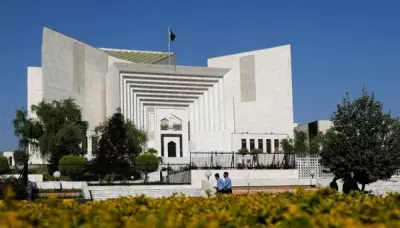
The U.S. Supreme Court has agreed to hear a pivotal case that will decide whether individuals who use marijuana can be prohibited from owning firearms under federal law. This decision could have far-reaching implications for Second Amendment rights and drug policy across the nation.
Background of the Case
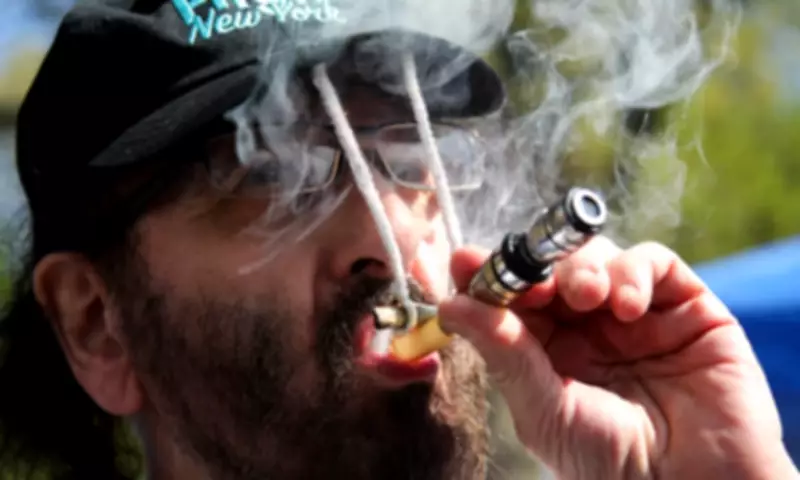
The case centers on a federal statute that bars unlawful users of controlled substances, including marijuana, from possessing firearms. Despite marijuana being legalized for medical or recreational use in many states, it remains illegal at the federal level, creating a conflict between state and federal regulations.
The plaintiff in the case argues that this prohibition infringes on their constitutional right to bear arms, as guaranteed by the Second Amendment. They contend that marijuana use, especially in states where it is legal, should not automatically disqualify someone from gun ownership.

Legal and Social Implications
If the Supreme Court rules in favor of the plaintiff, it could weaken federal restrictions on gun ownership for marijuana users, potentially leading to changes in how drug use is assessed in background checks for firearm purchases. Conversely, a ruling upholding the ban would reinforce federal authority over gun control and drug laws, even in states with more permissive marijuana policies.
This case highlights the ongoing tension between state autonomy and federal oversight in areas like drug legalization and gun rights. It also raises questions about how personal behavior, such as marijuana consumption, should impact constitutional protections.
Potential Outcomes and Reactions
Legal experts are divided on the likely outcome. Some predict the Court may strike down the ban as overly broad, while others believe it will defer to federal drug enforcement priorities. Advocacy groups on both sides of the gun control and drug policy debates are closely monitoring the proceedings, with potential for significant public and political reaction regardless of the verdict.
The Supreme Court's decision is expected to set a precedent that could influence future cases involving drug use and constitutional rights, making this a critical moment for American jurisprudence.