Supreme Court Justices Show Skepticism Toward Federal Gun Ban for Marijuana Users
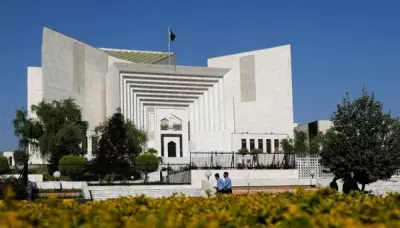
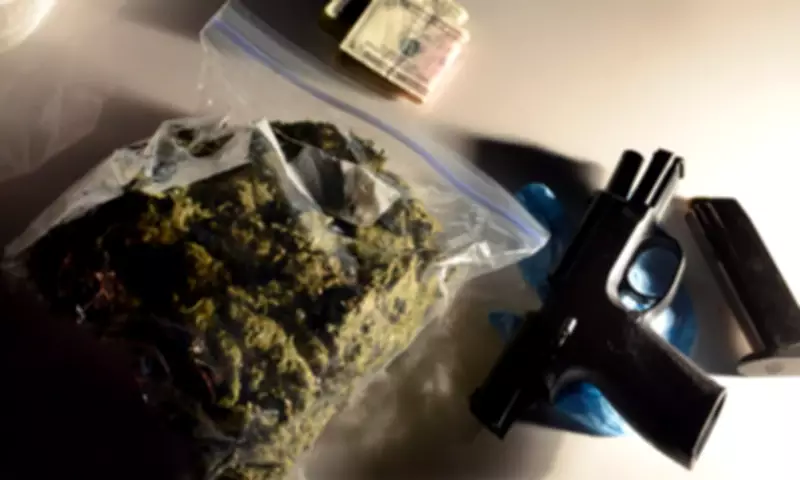
During oral arguments on Monday, a majority of US Supreme Court justices indicated they are likely to strike down a federal law that prohibits individuals classified as "unlawful users" of marijuana from possessing firearms. The case, United States v. Hemani, centers on Ali Danial Hemani, a defendant who uses marijuana several times weekly, and could reshape gun rights for cannabis consumers nationwide.
Three Judicial Camps Emerge in Complex Second Amendment Debate
The justices who appeared inclined to side with Hemani fragmented into three distinct philosophical camps during the proceedings. This division highlights the ongoing confusion surrounding the Court's framework for Second Amendment cases established in the 2022 Bruen decision, which requires modern gun laws to demonstrate historical analogues from the Constitution's framing era.
Justice Ketanji Brown Jackson and Justice Sonia Sotomayor argued that Congress, rather than the judiciary, should determine which substances are sufficiently dangerous to warrant disarming users. However, Sotomayor noted that Congress has never formally declared marijuana dangerous enough to justify such restrictions, suggesting both justices may ultimately support Hemani's position.

Barrett and Kagan Focus on Actual Dangerousness of Drug Use
Justice Amy Coney Barrett proposed a different approach, emphasizing that courts should assess whether specific individuals are too dangerous to own firearms, referencing the 2024 Rahimi case involving a violent defendant. Barrett and Justice Elena Kagan questioned whether marijuana use inherently makes individuals dangerous when armed, with Barrett noting the absurdity of disarming users of common medications like Ambien or Robitussin that aren't associated with violence.
Gorsuch's Historical Analysis Questions Founding-Era Analogues
Justice Neil Gorsuch offered a third perspective, rigorously applying the Bruen historical framework while questioning whether founding-era laws targeting "habitual drunkards" are truly analogous to modern marijuana restrictions. Gorsuch pointed out that historical alcohol laws applied to individuals so severely intoxicated they disrupted public order, contrasting this with Hemani's occasional use. He famously noted that President James Madison reportedly consumed a tankard of whiskey daily, suggesting founding-era figures were frequently under influence without facing disarmament.
Broader Implications for Second Amendment Jurisprudence
The case exposes deep fractures in the Court's Second Amendment methodology. Justice Jackson's concurrence in Rahimi quoted numerous judges criticizing the Bruen framework as unworkable and inconsistent. The Court's three Democratic-appointed justices have historically expressed skepticism toward Bruen, though Sotomayor and Jackson acknowledged Gorsuch's historical approach could resolve this case without reopening broader methodological debates.
Justice Kagan pressed for a framework that would allow marijuana users like Hemani to keep firearms while permitting disarmament for users of genuinely dangerous substances. Meanwhile, Chief Justice John Roberts expressed doubt about courts assessing individual dangerousness, and Justice Samuel Alito argued for stricter drug restrictions than historical alcohol laws.
Potential Outcome and National Impact
While a unanimous decision appears unlikely, most justices demonstrated skepticism toward disarming recreational marijuana users without evidence of extreme, dangerous consumption. If the Court rules in Hemani's favor, millions of cannabis users could gain firearm ownership rights, even as justices continue grappling with the Bruen precedent's application. The decision would represent a significant development in the intersection of drug policy and Second Amendment rights, potentially influencing similar cases nationwide.