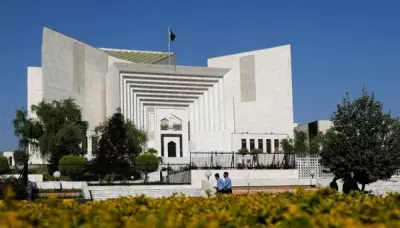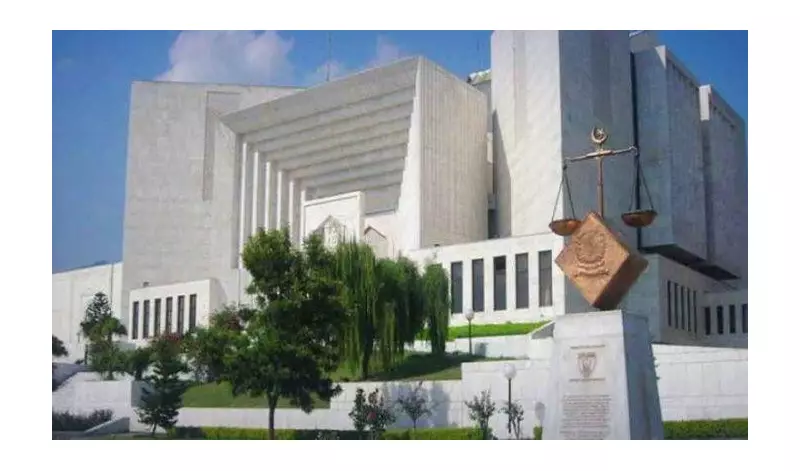
In a significant ruling that clarifies procedural law in Pakistan, the Supreme Court has established important guidelines regarding the filing of multiple lawsuits on identical matters. The apex court's decision reinforces the legal principle that prevents litigants from pursuing several cases stemming from the same underlying dispute.
Court's Verdict on Duplicate Lawsuits
The Supreme Court bench, comprising Chief Justice Aamir Farooq and Justice Ali Baqar Najafi, delivered a clear verdict in case CPLA 3055/2023. The court emphasized that if legal proceedings have already commenced in an initial lawsuit, any subsequent case filed concerning the same cause of action can be dismissed under Order II Rule 2 of the Civil Procedure Code (CPC).
The judgment specifically noted that courts don't require the recording of evidence to determine whether two suits arise from the same cause. Instead, the pleadings from both lawsuits provide sufficient material to establish whether they originate from identical circumstances or represent distinct legal matters.

Background of the Family Property Dispute
The legal battle originated from a family conflict over the estate of the late Muhammad Sharif. The petitioners had initially filed a lawsuit seeking their mother's share in the inheritance. Subsequently, they instituted another legal challenge, this time contesting a family settlement deed and a surrender deed related to the same property.
The Supreme Court observed that both lawsuits essentially concerned the same family property dispute, making the second filing impermissible under established civil procedure rules.
Legal Implications and Purpose of Order II Rule 2
The court elaborated that the fundamental purpose of Order II Rule 2 of CPC is to prevent the judicial system from being burdened with multiple lawsuits based on identical causes of action. This rule requires plaintiffs to claim all available legal remedies in a single, comprehensive lawsuit rather than filing separate cases piecemeal.
The prohibition against filing a second lawsuit remains fully effective even when the first case is still pending, the court clarified. This ensures that litigants cannot engage in strategic litigation by filing successive cases on the same matter.
In its final disposition, the Supreme Court dismissed the petitioners' appeal and upheld the Lahore High Court's decision that had previously rejected the second lawsuit. This ruling reinforces the importance of comprehensive legal strategy in civil litigation and prevents abuse of judicial processes.