NDC Calls on Chief Justice to Enforce Imran Khan's Medical Rights in Prison
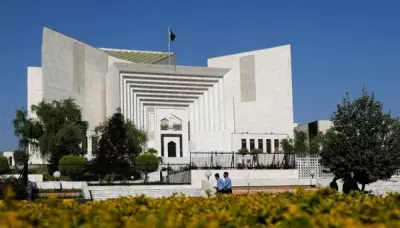
The National Democratic Coalition (NDC) has issued a formal appeal to the Chief Justice of Pakistan, urging immediate judicial intervention to safeguard the medical rights of former Prime Minister Imran Khan during his imprisonment. This request highlights growing concerns over the enforcement of constitutional protections for detainees, particularly high-profile political figures.
Constitutional and Legal Grounds for the Appeal
The NDC's petition emphasizes that Imran Khan, as a prisoner, is entitled to fundamental rights under Article 9 of the Constitution of Pakistan, which guarantees the right to life and liberty. The coalition argues that this includes access to adequate healthcare, a principle reinforced by international human rights standards and domestic prison regulations. Legal experts note that failure to provide medical care could constitute a violation of these rights, potentially leading to judicial scrutiny.
In their submission, the NDC referenced previous cases where courts have intervened to ensure prisoners' health needs are met, setting precedents for such matters. They stress that Khan's medical condition, which has been a subject of public discussion, requires continuous monitoring and appropriate treatment to prevent any deterioration.

Political and Public Reactions
The appeal has sparked varied reactions across Pakistan's political spectrum. Supporters of Imran Khan and his party, Pakistan Tehreek-e-Insaf (PTI), have welcomed the move, viewing it as a necessary step to protect his well-being amidst ongoing legal battles. Conversely, critics argue that the request may be politically motivated, aimed at drawing attention to Khan's incarceration and influencing public opinion.
Public discourse on social media and in news outlets has intensified, with debates focusing on the balance between legal obligations and political implications. Human rights organizations have also weighed in, calling for transparency in prison healthcare systems and urging authorities to uphold the rights of all detainees, regardless of their political affiliations.
Implications for Judicial and Prison Systems
This case could set a significant precedent for how Pakistan's judiciary handles similar appeals in the future. If the Chief Justice acts on the NDC's request, it may lead to stricter enforcement of medical rights in prisons, potentially improving conditions for other inmates. However, it also raises questions about the independence of the judicial system and its role in politically charged situations.
Prison authorities are now under increased scrutiny to demonstrate compliance with healthcare protocols. The outcome of this appeal may prompt reforms in prison management, ensuring that medical services are accessible and effective for all prisoners, thereby aligning with global human rights norms.