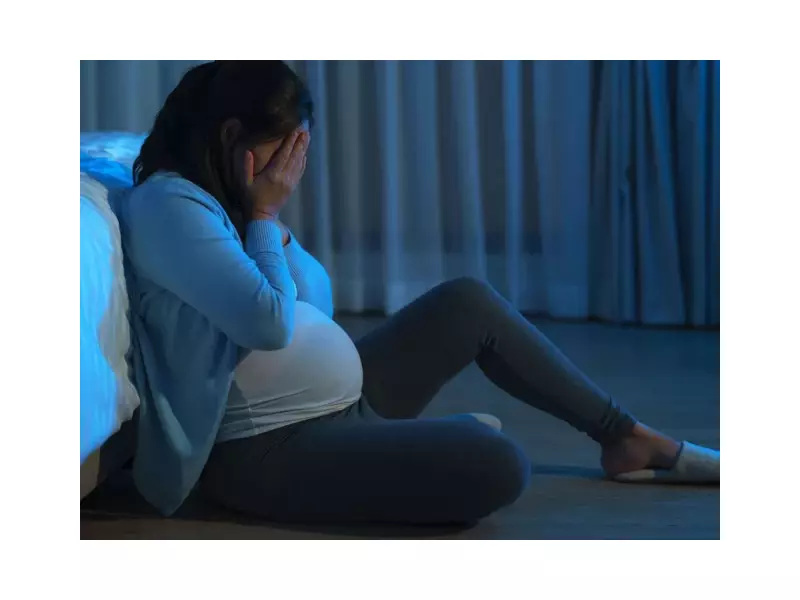
In a deeply disturbing incident that has shocked the local community, a mentally challenged woman was found pregnant while residing at a shelter home in Sargodha. The alarming discovery has triggered an immediate police investigation and raised serious questions about the safety and protection of vulnerable residents at such facilities.
Shelter Home Nightmare Unfolds
The victim, approximately 25 years old, had been living at the shelter home located on Jail Road in Sargodha. Authorities became aware of her pregnancy during a routine medical examination, which revealed the advanced stage of her condition. The woman, who cannot be identified due to her vulnerable mental state and legal protections, was immediately transferred to a government-run facility for proper medical care and protection.
Local police have registered a case and launched a comprehensive investigation into the circumstances surrounding the pregnancy. The First Information Report (FIR) was filed under sections 376 (rape) of the Pakistan Penal Code, indicating the serious nature of the alleged crime. Investigators are currently interviewing staff members, other residents, and reviewing security protocols at the shelter home.

Community Outrage and Official Response
The incident has sparked widespread condemnation from women's rights organizations and community leaders. Many are demanding immediate accountability and thorough reforms in shelter home management protocols. The case has highlighted the urgent need for better security measures and monitoring systems at facilities housing vulnerable populations.
Local authorities have assured the public that they are treating the matter with utmost seriousness. The District Police Officer has personally taken charge of the investigation, assigning experienced investigators to the case. Medical professionals have been directed to provide the victim with comprehensive healthcare and psychological support during this traumatic period.
Broader Implications for Women's Protection
This tragic incident has reignited concerns about the safety of women in institutional care across Pakistan. Women's rights activists are calling for systematic reforms in how shelter homes operate and are monitored. The case has prompted discussions about implementing stricter background checks for staff, installing surveillance systems, and ensuring regular independent audits of such facilities.
The Punjab government has announced it will review security protocols at all shelter homes in the province. Officials have promised that those responsible will face severe legal consequences. Meanwhile, the victim continues to receive medical care while authorities work to identify the perpetrator and ensure justice is served.
This case serves as a stark reminder of the vulnerabilities faced by mentally challenged individuals in institutional settings and the critical need for robust protection mechanisms to prevent such tragedies from occurring in the future.