Lahore High Court Questions Legality of PTI Leader's ECL Placement
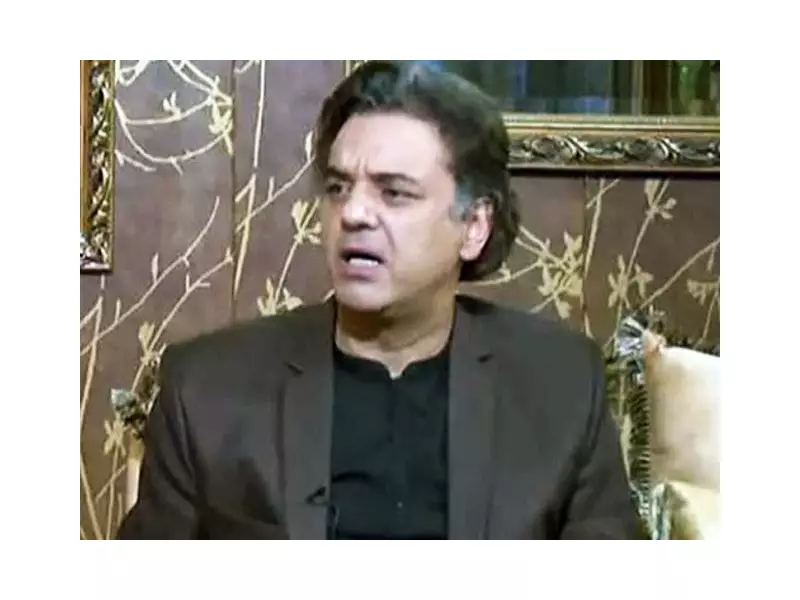
The Lahore High Court on Wednesday raised serious questions about how Pakistan Tehreek-e-Insaf (PTI) leader Usman Dar's name was placed on the Exit Control List (ECL) without apparent lawful justification. Justice Sajid Mahmood Sethi, presiding over the hearing, sought clarity on which forum possesses the proper authority to order the removal of a name from the travel ban list.
Court Seeks Legal Assistance and Detailed Arguments
Justice Sethi explicitly requested proper legal assistance to examine the matter thoroughly, emphasizing the need for a comprehensive review of the legal framework surrounding ECL placements. The hearing on Dar's petition, which seeks the removal of his name from the ECL, was adjourned until January 26 to allow for more detailed preparation.
During the proceedings, Dar's counsel presented a strong argument, stating that his client had already been granted bail in related cases. The counsel contended that this bail grant makes the inclusion of Dar's name on the travel ban list completely unjustified and without legal merit.

Jurisdictional Questions and Government's Response
However, the court made an important observation regarding jurisdictional authority. The bench noted that under the provisions of the Anti-Terrorism Act, matters concerning the removal of a name from the Exit Control List typically fall within the jurisdiction of the trial court handling the case.
Justice Sethi directed both parties to assist the court with detailed, well-researched arguments during the next hearing date. The court specifically summoned lawyers to present their final submissions with complete legal backing and precedent references.
Government's Stance on ECL Placement
Meanwhile, the Ministry of Interior submitted its official reply to the court, providing crucial context for Dar's ECL listing. The government's response stated that a case had been formally registered against Usman Dar in connection with the May 9 attack on the General Headquarters (GHQ) in Rawalpindi.
The government's counsel further elaborated that Dar's name was placed on the Exit Control List specifically at the request of the Rawalpindi Police, who are investigating the GHQ attack case. This police request formed the basis for the interior ministry's decision to include Dar on the travel restriction list.
Dar's Legal Petition and Future Proceedings
In his petition before the Lahore High Court, Usman Dar has pleaded that the decision to include his name on the ECL be declared unlawful and set aside completely. Dar's legal team argues that the placement lacks proper legal foundation and violates his fundamental rights.
The court's questioning of the ECL placement process highlights ongoing legal debates about the proper use of travel restrictions and the balance between state security concerns and individual rights. The adjournment until January 26 gives both sides time to prepare more comprehensive legal arguments for what promises to be a significant hearing regarding ECL procedures and authorities.