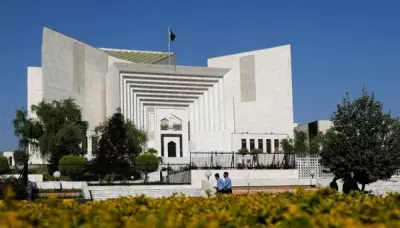
Chief Justice of Pakistan Yahya Afridi has called for a significant meeting of the Judicial Commission of Pakistan (JCP) to deliberate on crucial matters concerning the country's superior judiciary. The meeting, scheduled for November 25 at 2pm, marks an important development in judicial appointments following recent constitutional changes.
Key Agenda for November 25 Meeting
The primary focus of the upcoming JCP session will be reviewing a data form concerning additional judges serving in various high courts. According to the meeting agenda, the JCP Secretariat has prepared this data form specifically addressing the grant of permanent status to additional judges currently serving in temporary capacities.
December Meetings for Superior Judiciary Appointments
In addition to the November gathering, the Judicial Commission has scheduled three more critical meetings for December 2, all to be presided over by Chief Justice Yahya Afridi. These sessions hold particular significance as they represent the first formal JCP meetings addressing appointments to the superior judiciary since the implementation of the 27th Constitutional Amendment.

The initial December meeting will tackle the appointment of the Chief Justice of the Sindh High Court. During this session, the commission will examine the names of the court's three most senior judges to determine the most suitable candidate for this pivotal position.
The second scheduled meeting will address the appointment of a permanent Chief Justice for the Balochistan High Court (BHC). Similar to the Sindh High Court process, the commission will review the names of the top three senior-most judges serving in the Balochistan High Court.
The third and final meeting on December 2 will focus on elevation matters, specifically discussing the appointment of one judge from the Islamabad High Court (IHC) to the Supreme Court of Pakistan. This appointment could significantly influence the composition and direction of the country's apex court.
Historical Context and Implications
These meetings represent a crucial step in strengthening Pakistan's judicial system during Chief Justice Yahya Afridi's leadership. The discussions and decisions emerging from these sessions will likely have far-reaching consequences for the judiciary's structure and functioning, particularly given their timing following the constitutional amendment.
The Judicial Commission's deliberations come at a time when the Pakistani judiciary faces increasing scrutiny and expectations regarding transparency in judicial appointments. The outcomes of these meetings will be closely watched by legal experts, political analysts, and the general public alike.