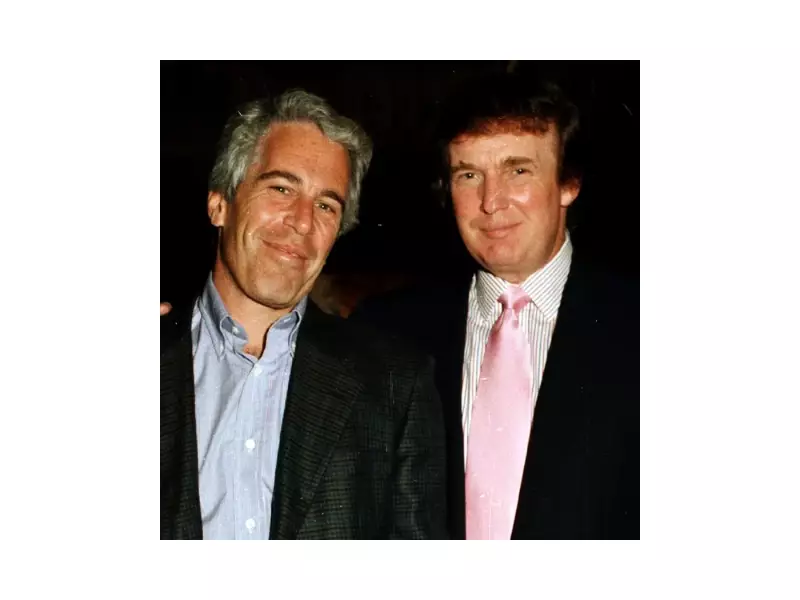
The much-anticipated public release of documents related to the Jeffrey Epstein case has triggered a wave of online mockery and disappointment, not for shocking revelations, but for the sheer volume of blacked-out text. The first batch, made public by the U.S. Department of Justice, appeared so heavily censored that social media users compared it to a bizarre art project rather than a genuine effort at government transparency.
A Transparency Effort or a Blackout Puzzle?
This initial document dump was mandated by the Epstein Files Transparency Act, a law passed by the U.S. Congress and signed earlier this year. The act requires authorities to release unclassified records connected to the financier and convicted sex offender, Jeffrey Epstein. However, the expectation of a treasure trove of new details quickly dissolved as netizens opened the files to find pages dominated by black boxes and obscured passages.
The public reaction swiftly turned to humor and satire. Users on various platforms joked that the files were technically "released" but practically unreadable. Many treated the event as an absurd internet meme, with some ironically celebrating finishing other tasks before even attempting to decipher the blacked-out pages. The dominant sentiment online was one of anticlimax, with the visual of the documents themselves becoming the main talking point.

Frustration Over Missing Context
Beyond the jokes, a strong undercurrent of frustration and cynicism emerged. Critics pointed out that the extensive redactions defeated the very purpose of the transparency law. In detailed discussions, users highlighted that some documents, spanning over 100 pages, were completely obscured, making it impossible to extract any substantive information from this first batch.
This has shifted the public conversation away from what the documents reveal and firmly onto what they conceal. Commenters noted that the redactions themselves were perhaps the most revealing aspect, signaling the sensitive and potentially explosive nature of the hidden content. The sheer scale of the blackouts has led to widespread disbelief that such a highly awaited release could offer so little visible information.
Official Reasoning and Future Promises
Officially, the justification for the heavy censorship lies in legal protocols. Authorities state the redactions are necessary to protect the identities of victims and shield sensitive details of ongoing or past investigations. The U.S. Department of Justice has indicated that more documents, along with explanations for the obscured sections, are scheduled for release in the coming weeks.
Nevertheless, the first impression has been firmly set. The image of entire pages swathed in black has dominated the narrative, ensuring that the debate continues to focus on the boundaries of public transparency in high-profile criminal cases. For now, the public is left waiting for the promised future releases, hoping they will contain more visible text and fewer black boxes.