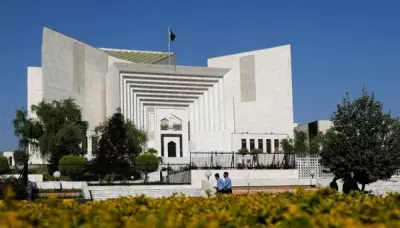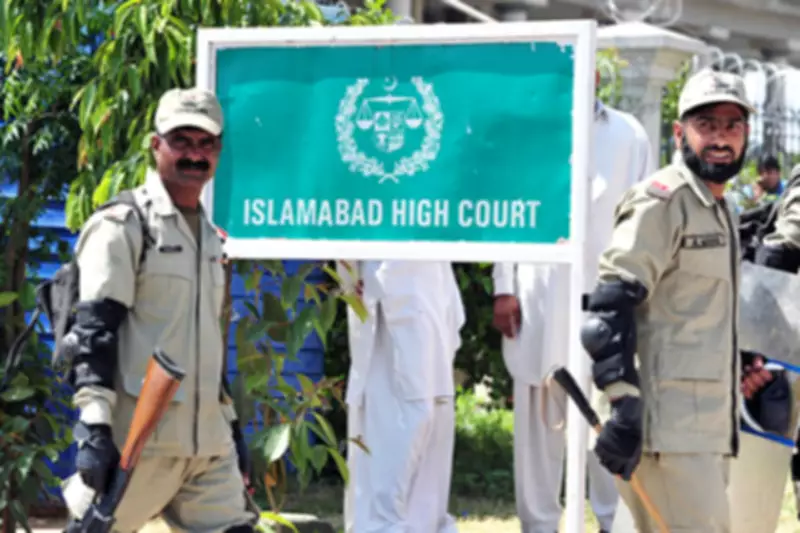
In a significant development at the Islamabad High Court, a case involving allegations of abuse of power and physical assault by a government official has been resolved through an apology, leading to the disposal of the legal proceedings. The incident, which sparked public outrage, centered on Deputy Tehsildar Ali Javed, who was accused of ordering his guard to assault a citizen during a traffic altercation.
Court Hearing and Resolution
Chief Justice Sardar Sarfraz Dogar presided over the hearing of the petition filed by citizen Nauman Javed Abbasi. During the proceedings, Deputy Tehsildar Ali Javed appeared before the bench as per court orders. The petitioner, Nauman Javed Abbasi, informed the court that an apology had been formally tendered by the deputy tehsildar and accepted by him. He stated, "The matter has been resolved and I want to withdraw the petition." Following this declaration, the court disposed of the case, marking an end to the legal dispute.
Details of the Alleged Incident
According to the petition, the confrontation occurred when the petitioner's vehicle was unable to immediately give way due to a severe traffic jam. In response, Deputy Tehsildar Ali Javed allegedly stopped the car, and his guard physically assaulted the citizen by slapping him and engaging in misbehavior. The petition further accused the deputy tehsildar of misusing his official position to threaten serious consequences, exacerbating the situation.

Legal and Constitutional Implications
The citizen's plea highlighted the roadside humiliation as a clear abuse of authority and a violation of fundamental rights under Articles 4, 9, 14, and 25 of the Constitution of Pakistan. Initially, the petitioner had requested the court to direct the Islamabad chief commissioner and deputy commissioner to initiate departmental disciplinary proceedings against Deputy Tehsildar Ali Javed. However, with the apology and resolution, this request was withdrawn, underscoring the importance of accountability and redress in such cases.
This case serves as a reminder of the judiciary's role in addressing grievances and the potential for amicable settlements in disputes involving public officials. The resolution through apology may set a precedent for similar incidents, emphasizing the need for respectful conduct and adherence to legal norms in everyday interactions.