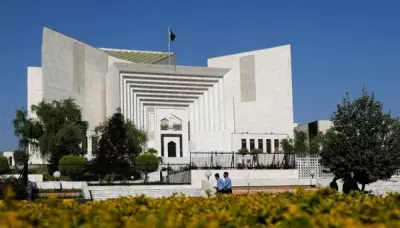
In a significant move to bolster judicial reforms and enhance access to justice across Pakistan, the Chief Justice of Pakistan engaged in detailed discussions with delegations from the District Bar Associations of Mansehra and Kohat on Thursday. This meeting, held at the Supreme Court of Pakistan, is part of an ongoing stakeholder consultation process designed to address critical issues within the legal system and improve service delivery for citizens.
Focus on Citizen-Centric Justice and Reform Initiatives
During the engagement, the Chief Justice emphasized the importance of citizen-centric justice, outlining various reform initiatives aimed at strengthening court infrastructure and ensuring timely access to legal services. He informed the delegations that he has personally visited remote areas throughout the country to identify coordination gaps, particularly in the disbursement of funds under the Access to Justice Fund Program. This hands-on approach underscores the judiciary's commitment to addressing grassroots challenges and implementing sustainable solutions.
Key Projects and Appointments to Enhance Service Delivery
To tackle identified challenges and improve efficiency, Resident Additional Secretaries have been appointed in the provinces, with a focus on priority projects. These initiatives include:

- Solarization of judicial facilities to ensure uninterrupted power supply.
- Establishment of e-libraries to provide digital resources for legal professionals and the public.
- Creation of women facilitation centres to support gender-sensitive justice services.
- Provision of clean drinking water at court complexes to improve basic amenities.
The Chief Justice shared that key judicial reform initiatives are expected to be completed by August 2026, marking a significant milestone in the ongoing efforts to modernize the legal framework.
Delegation-Specific Concerns and Responses
The Kohat Bar delegation highlighted the need for capacity building among young lawyers and expressed appreciation for the extension of e-library and clean drinking water facilities to their Bar. In response, the Chief Justice pointed to the Continuing Legal Education programs offered by the Federal Judicial Academy, encouraging young lawyers to take advantage of these training opportunities. He noted that the academy's training calendar is readily available on its official platform, facilitating easy access for aspiring legal professionals.
Meanwhile, the Mansehra Bar delegation raised pressing concerns regarding infrastructure deficiencies and water availability at the Judicial Complex in their district. Taking immediate notice of these issues, the Chief Justice directed the relevant Resident Additional Secretary to visit the site and ensure a swift resolution, demonstrating a proactive approach to addressing local grievances.
Broader Commitment to Sustainable Reforms and Collaboration
This engagement reflects the judiciary's broader commitment to fostering sustainable reforms, improving legal services, and strengthening collaboration with the legal community. By actively consulting with bar associations and addressing specific concerns, the Supreme Court aims to build a more robust and accessible justice system that meets the needs of all citizens across Pakistan.
The ongoing stakeholder consultations are expected to continue, with further meetings planned to gather input from various legal bodies and ensure comprehensive reform implementation.