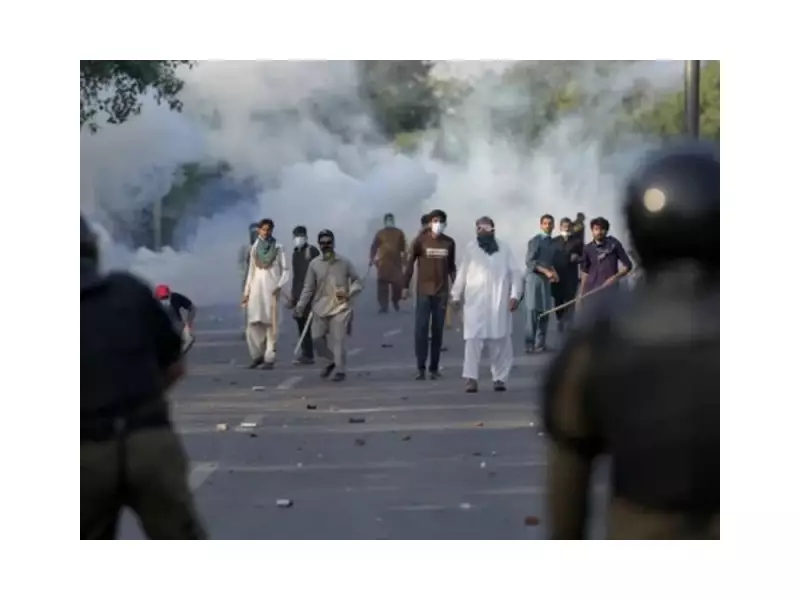
An anti-terrorism court (ATC) in Lahore has issued a significant directive to law enforcement agencies concerning the high-profile cases stemming from the events of May 9. The court has ordered authorities to verify the identities of the individuals listed as suspects in these cases, marking a pivotal step in the ongoing judicial process.
Court Directs Authorities for Suspect Verification
The order was passed by Judge Arshad Javed of the anti-terrorism court during a recent hearing. The court was addressing a petition that challenged the detention of several individuals allegedly involved in the May 9 incidents. These events, which involved attacks on military and state installations, have led to numerous arrests and legal proceedings across the country.
During the proceedings, the judge explicitly instructed the investigation officer to undertake a thorough verification process. The court mandated that the officer must personally confirm the identities of all suspects named in the case. This directive aims to ensure procedural accuracy and prevent any potential misidentification, a crucial aspect given the serious nature of the terrorism charges involved.

Legal Proceedings and Defense Arguments
The petition was filed by Advocate Mian Ali Ashfaq, who argued on behalf of the detained suspects. The counsel contended that his clients were being held without sufficient legal justification. He urged the court to grant them post-arrest bail, asserting that their continued detention was unwarranted.
In response to the defense's arguments, the prosecution presented its stance, leading to a detailed legal debate. After hearing both sides, Judge Arshad Javed opted to adjourn the hearing. The court has scheduled the next hearing for May 27, 2024, by which time the verification report from the investigation officer is expected to be submitted for judicial review.
Broader Context of the May 9 Cases
The May 9 cases refer to the widespread violence that erupted following the arrest of a prominent political leader last year. The incidents included attacks on sensitive military sites and public property, leading to a major crackdown by the state. Thousands of individuals have been implicated, with trials being conducted in both civilian courts and military courts.
The Lahore anti-terrorism court's latest order underscores the judiciary's focus on due process within these complex and politically charged cases. By insisting on formal identity verification, the court is reinforcing the principle that legal proceedings must be built on verified facts and evidence, regardless of the severity of the allegations.
This development is being closely watched, as it touches upon fundamental legal rights and the broader narrative surrounding accountability for the events of that day. The outcome of this and similar hearings will have significant implications for the legal trajectory of all May 9 related cases.