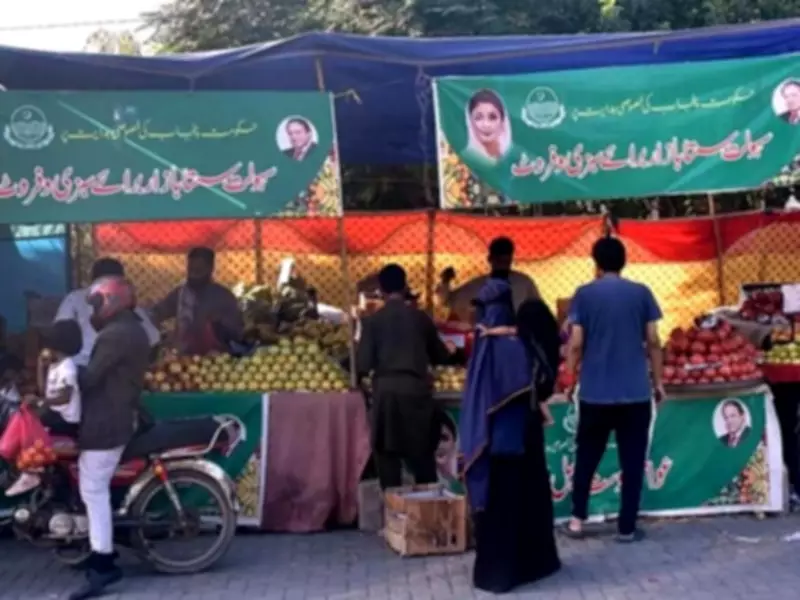
Government Reduces Subsidized Ramazan Markets Nationwide
The government has announced a substantial reduction in the number of subsidized Ramazan markets across the country, a move that is expected to impact millions of low-income families during the holy month. This decision comes amid ongoing economic challenges and rising inflation, which have already strained household budgets. The subsidized markets, traditionally set up to provide essential food items at lower prices, are being scaled back due to budgetary constraints and logistical issues.
Details of the Reduction and Its Implications
According to official sources, the number of subsidized Ramazan markets has been slashed by approximately 30% compared to previous years. This reduction affects urban and rural areas alike, with major cities like Karachi, Lahore, and Islamabad seeing fewer designated markets. The government cited increased costs of subsidies and the need for more efficient resource allocation as primary reasons for the cutback. However, critics argue that this move could exacerbate food insecurity, particularly for vulnerable populations who rely on these markets to afford basic necessities during Ramazan.
The subsidized markets typically offer items such as flour, sugar, cooking oil, and pulses at prices 15-20% below market rates. With the reduction, many families may have to travel longer distances to access these affordable options or face higher expenses at regular markets. This could lead to increased financial pressure during a time when charitable giving and community support are already in high demand.

Public and Political Reactions
The decision has sparked widespread concern among citizens and opposition parties. Many have expressed fears that the cut in subsidized markets will disproportionately affect the poor, who are already grappling with high inflation rates. Opposition leaders have criticized the government for what they describe as a lack of prioritization of public welfare, especially during a religiously significant period like Ramazan. They have called for immediate measures to restore or expand the subsidized market network to ensure food accessibility for all.
In response, government officials have emphasized that alternative measures are being considered to support low-income households. These include potential cash transfer programs and collaborations with non-governmental organizations to distribute food packages. However, details on these initiatives remain vague, leaving many uncertain about the immediate relief available.
Economic Context and Future Outlook
The reduction in subsidized Ramazan markets occurs against a backdrop of broader economic issues, including currency devaluation and rising import costs. These factors have contributed to higher food prices overall, making the subsidized markets even more critical for many families. Experts warn that without adequate support, the situation could lead to increased hardship and social unrest during Ramazan.
Looking ahead, the government plans to monitor the impact of this reduction closely and may adjust policies based on feedback and need. Stakeholders, including community leaders and economic analysts, are urging for a more comprehensive approach to food security that extends beyond temporary market setups. They advocate for long-term strategies to stabilize prices and improve access to affordable nutrition throughout the year, not just during Ramazan.
In summary, the slashing of subsidized Ramazan markets represents a significant policy shift with far-reaching consequences for low-income families. As the holy month approaches, the effectiveness of alternative support measures will be closely watched by all parties involved.