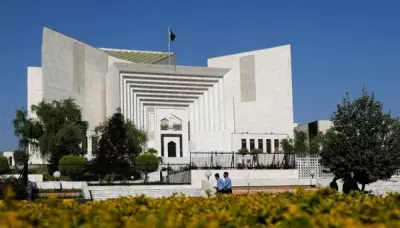
In a significant development for coastal communities in Balochistan, the historic Ghaus Bahar Library in Ormara has received a major technological upgrade through Chinese assistance. The installation of a comprehensive solar power system promises to transform educational access in this remote region, ensuring uninterrupted learning opportunities for local residents.
Enhancing Educational Infrastructure with Renewable Energy
The solar power installation represents a crucial step forward in addressing the energy challenges that have long plagued educational institutions in remote areas of Pakistan. Ghaus Bahar Library, an important cultural and educational hub in Ormara, can now operate without dependence on the unreliable conventional power grid. This development is particularly significant given the library's role as a knowledge center for students, researchers, and community members.
The project was completed with technical and financial support from China, demonstrating the strengthening partnership between the two nations in the education and renewable energy sectors. The solar system provides reliable electricity for lighting, computer operations, and other essential services, creating an environment conducive to learning and research.

Community Impact and Future Benefits
Local residents have welcomed the initiative with enthusiasm, recognizing its potential to transform educational outcomes in the region. Students who previously struggled to study during evening hours due to power outages now have access to well-lit reading spaces. The consistent power supply also enables the library to extend its operating hours, accommodating more visitors throughout the day.
The timing of this installation coincides with increasing educational demands in coastal Balochistan, where access to reliable educational resources remains limited. The solar power system not only addresses immediate energy needs but also serves as a model for sustainable development in remote areas. Community leaders emphasize that this project demonstrates how targeted infrastructure improvements can significantly enhance educational accessibility.
Beyond immediate educational benefits, the project introduces local communities to renewable energy technologies, potentially inspiring similar initiatives across the region. The visible success of solar power in supporting educational activities may encourage other institutions and households to consider renewable energy solutions.
Strengthening International Cooperation
This project represents another milestone in the ongoing cooperation between Pakistan and China across multiple sectors. The focus on educational infrastructure through sustainable energy solutions highlights the evolving nature of this partnership, moving beyond traditional areas of collaboration to address fundamental development needs.
The successful implementation in Ormara sets a positive precedent for future collaborations aimed at improving social infrastructure in Pakistan's less-developed regions. Local authorities have expressed appreciation for the international support and emphasized the importance of such partnerships in addressing regional disparities in educational facilities.
As the library begins operations with its new power source, the broader implications for educational development in Balochistan are becoming increasingly apparent. The project demonstrates how targeted international assistance, when aligned with local needs, can create sustainable improvements in community infrastructure.
The transformation of Ghaus Bahar Library stands as a testament to what can be achieved through international cooperation focused on sustainable development. With reliable power now ensuring consistent access to educational resources, the library is poised to become an even more vibrant center of learning and community engagement in Ormara.